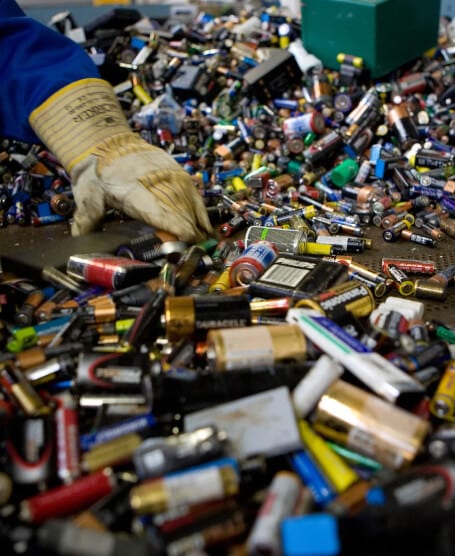
With the rapid development of the global new energy industry, the application of lithium batteries as a core energy carrier in electric vehicles, energy storage, and other fields continues to expand, accelerating the retirement trend. It is estimated that by 2030, the global retired lithium battery volume will exceed 3 million tons. How to efficiently and environmentally recycle these batteries has become a crucial issue concerning resource security, environmental protection, and economic benefits.
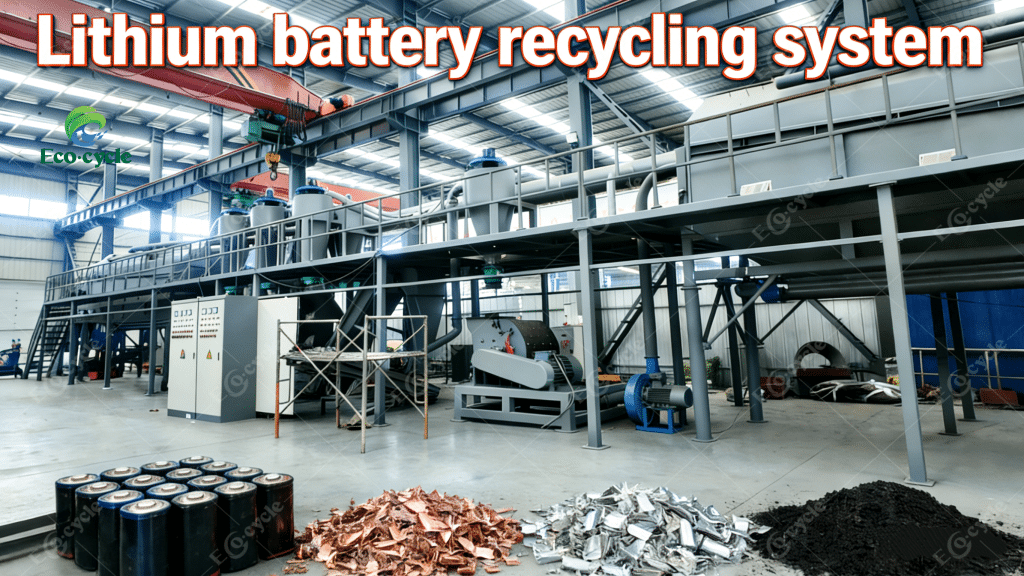
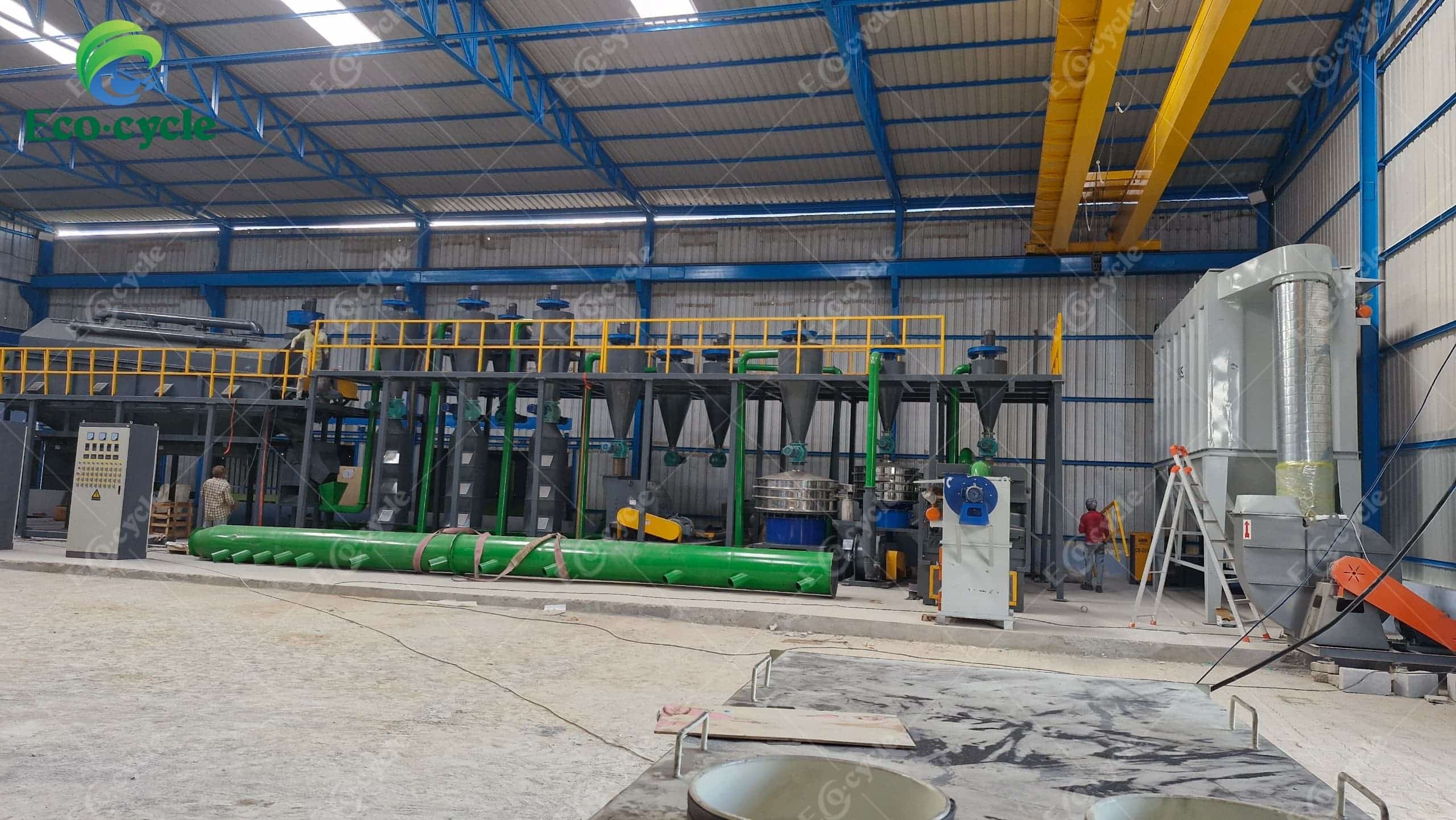
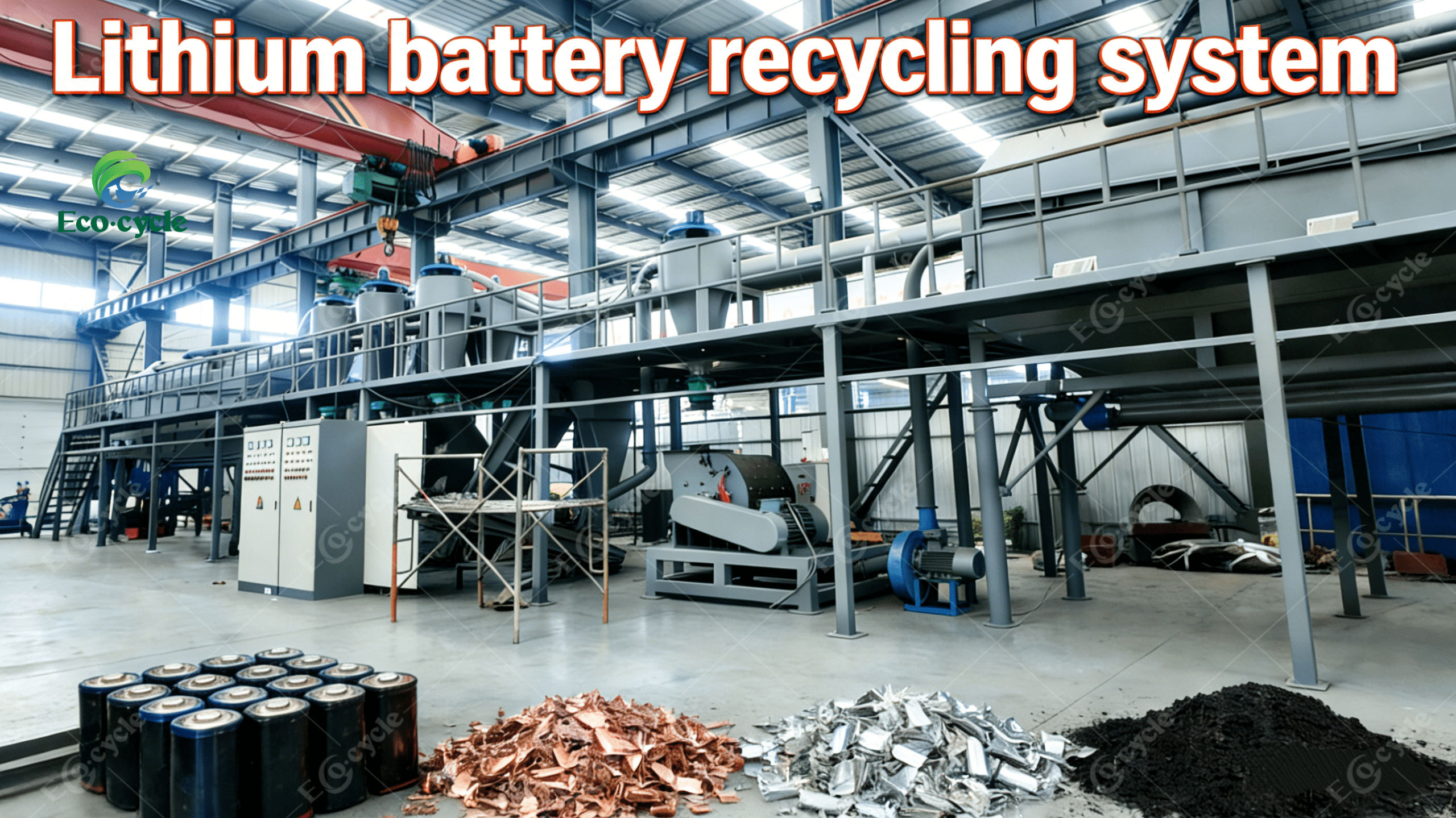
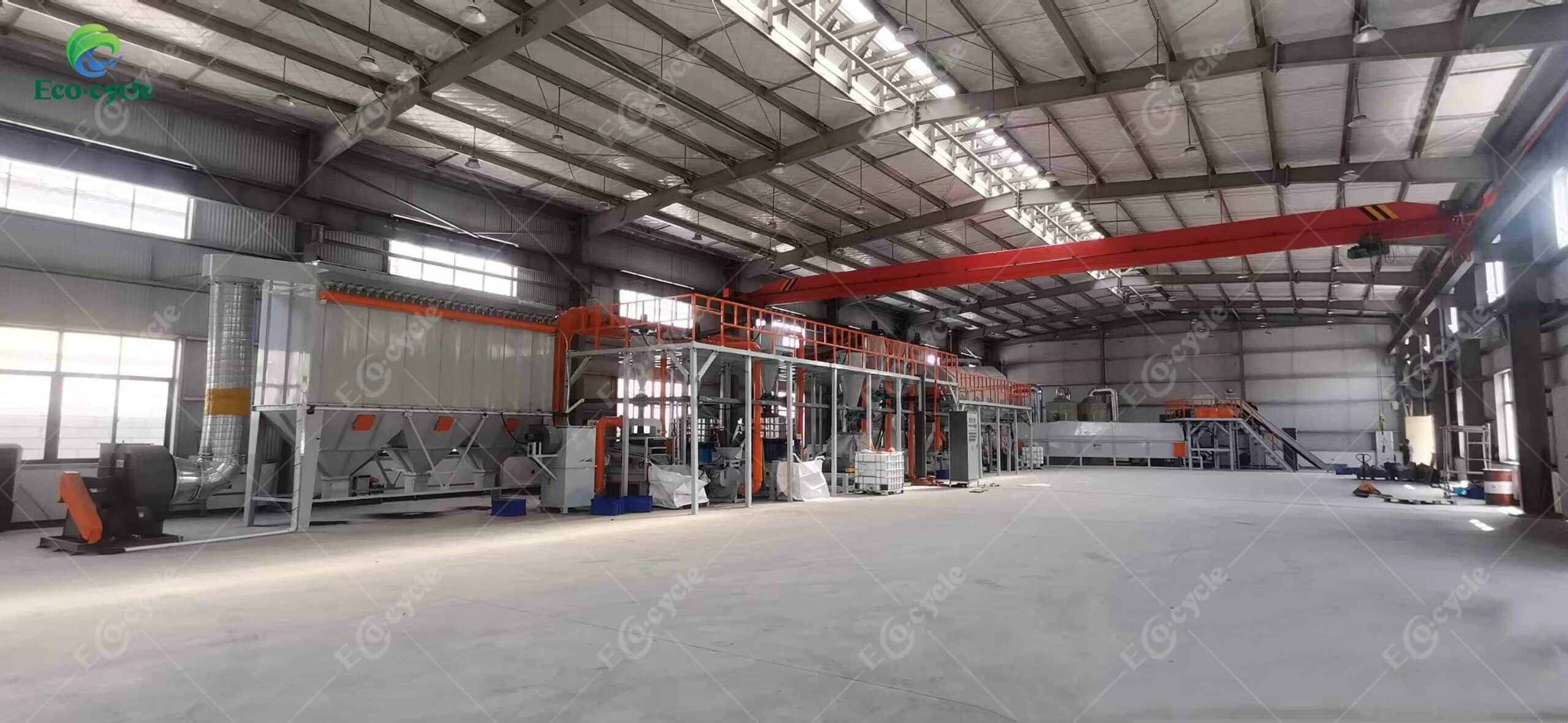
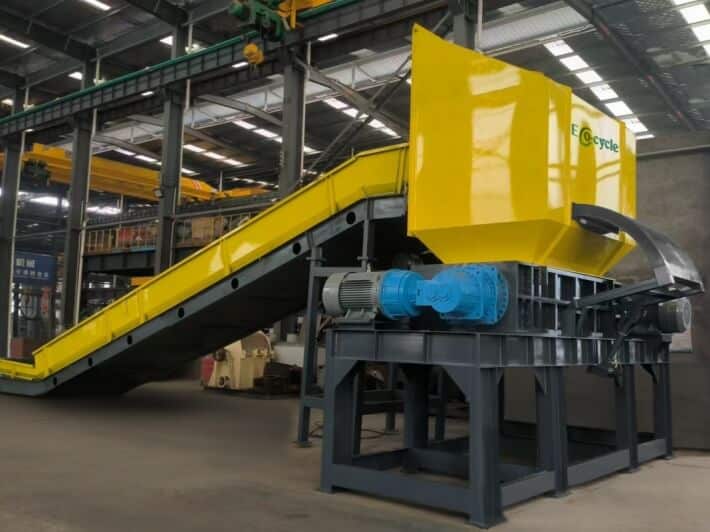
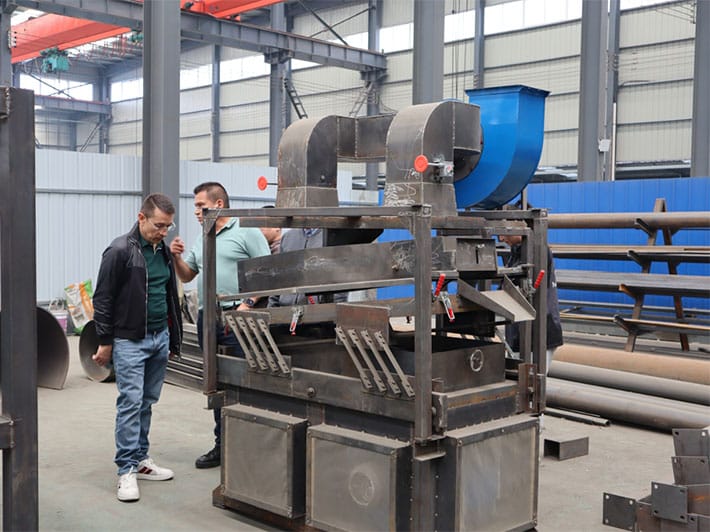
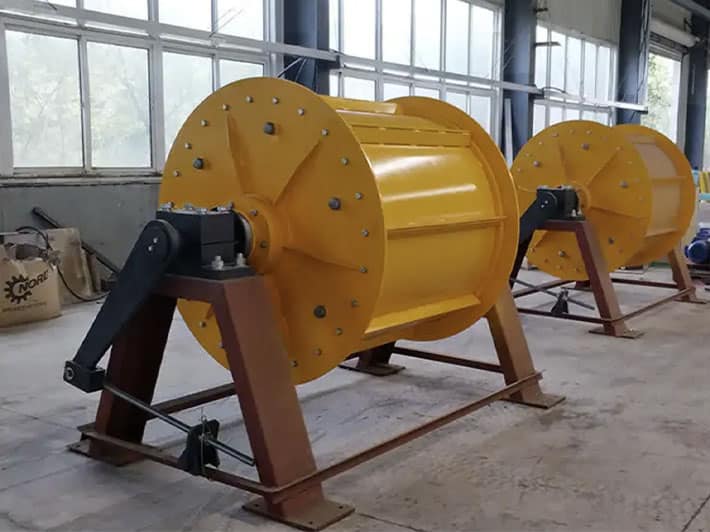
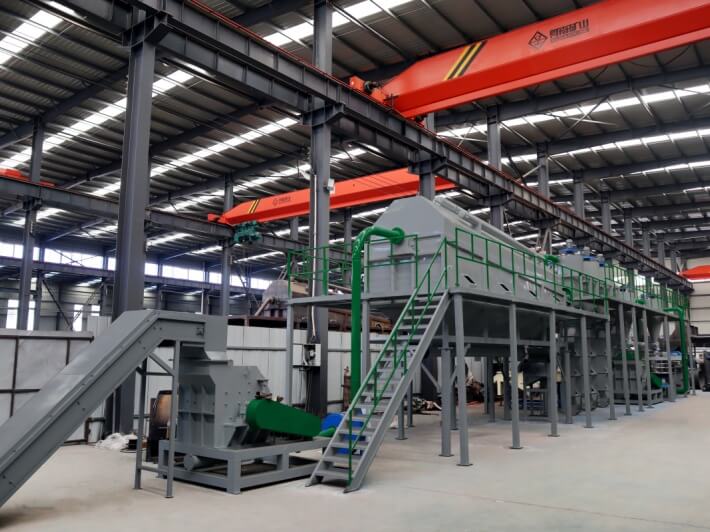
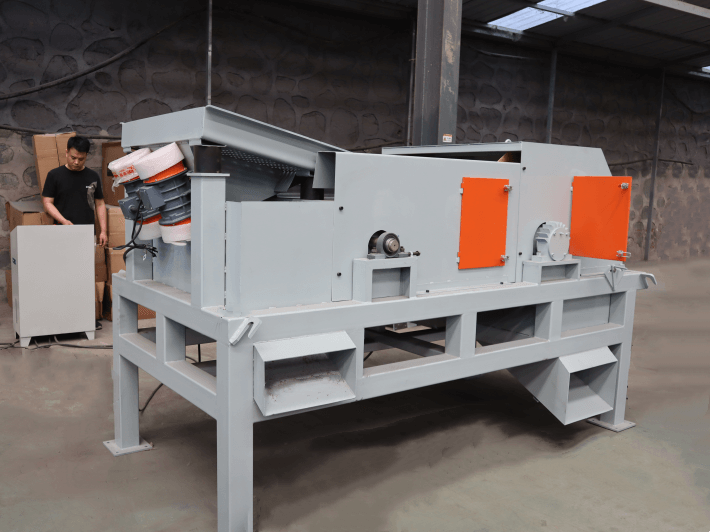
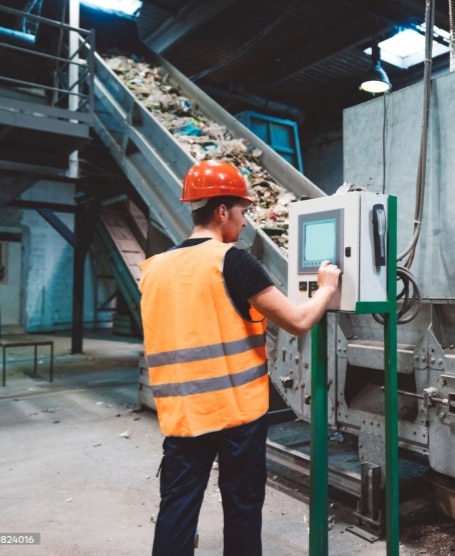
Modern lithium battery recycling and processing equipment has formed a three-core functional system encompassing safe dismantling, resource purification, and energy recycling. Through the synergy of multiple stages such as physical crushing, sorting, and chemical treatment, the maximum utilization of retired battery resources can be achieved. Current advanced systems can achieve a target recycling rate exceeding 99%, with copper and aluminum recovery rates not less than 98%, and “black mass” rich in valuable metals such as lithium, cobalt, and nickel achieving a recovery rate of over 95%. These recycled products can be directly returned to battery production lines or used in other industrial fields, gradually building an industrial closed loop of “production—use—retirement—recycling—regeneration,” effectively reducing dependence on primary mineral resources and lowering carbon emissions across the entire industry chain. From a technological evolution perspective, lithium battery recycling is developing towards greater intelligence, integration, and lower energy consumption. The continuous integration and innovation of technologies such as hydrometallurgy, pyrometallurgy, and emerging physical remediation are driving continuous optimization of sorting accuracy, recycling purity, and energy consumption. Simultaneously, the automation and intelligence levels of equipment have significantly improved, enabling the safe handling of harmful components such as electrolytes and fluorides, avoiding secondary pollution.

For enterprises, investing in lithium battery recycling is both an environmental responsibility and a significant economic opportunity. When selecting equipment, it is necessary to comprehensively consider the processing scale, battery type, recycling output targets, and long-term operating costs, avoiding blindly pursuing a single parameter. Although the initial equipment investment is substantial, with rising metal prices and strengthened policy support, battery recycling projects have demonstrated good profit potential. According to industry analysis, compliant recycling companies can achieve investment break-even within 3-5 years, and long-term returns will become increasingly apparent with large-scale operation and the increased value of recycled materials.
Faced with the impending wave of millions of tons of retired batteries, lithium battery recycling is no longer just an environmental issue, but a new arena for industrial competition. From technological breakthroughs to business model innovation, from equipment upgrades to standardization, the global industry chain is accelerating the construction of a green, circular, and sustainable battery ecosystem. For companies, entering the recycling field early and mastering key resource regeneration capabilities not only helps improve supply chain resilience but also gives them a head start in the carbon neutrality era. The true “life” of a battery may only begin after it is decommissioned.