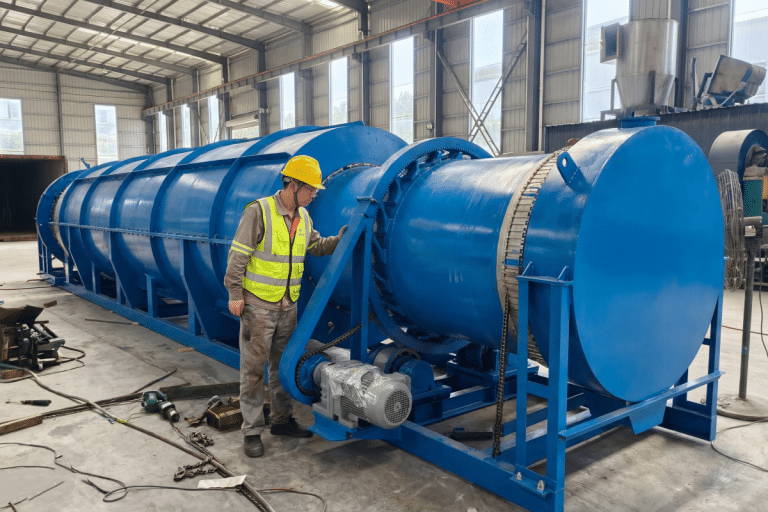
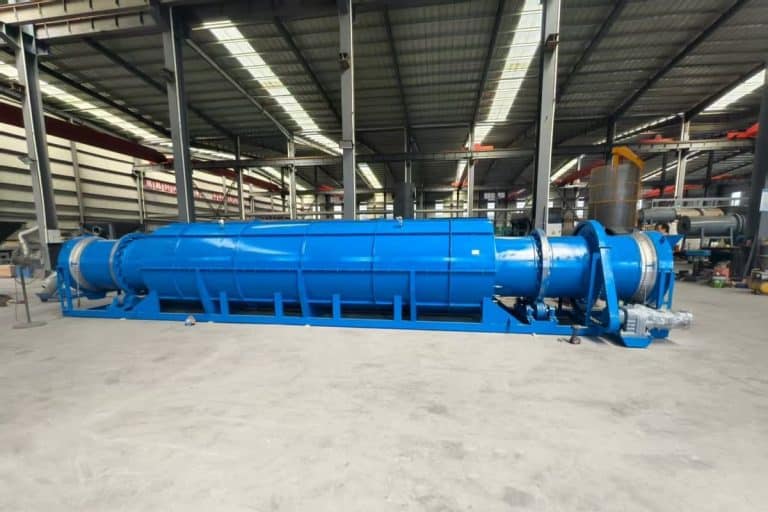
Product Introduction
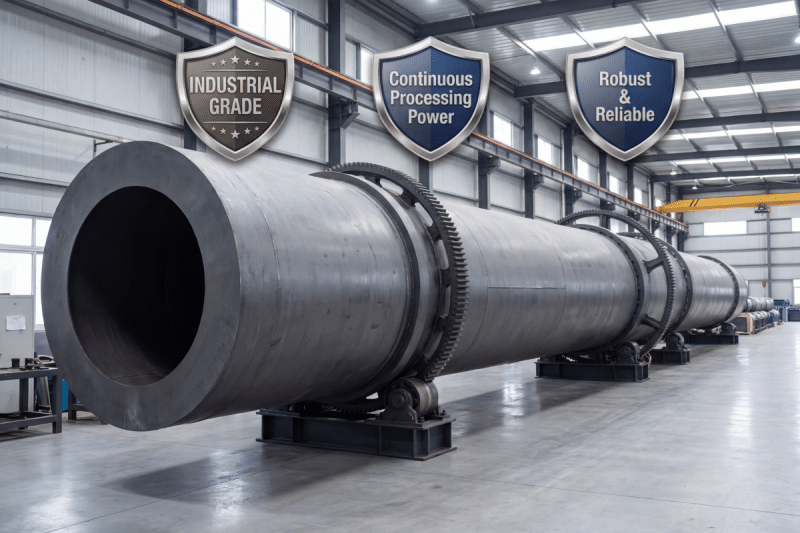
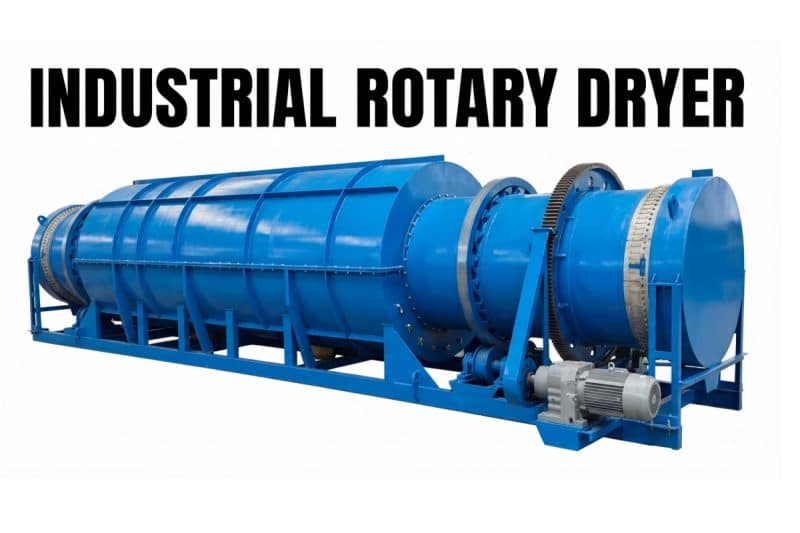
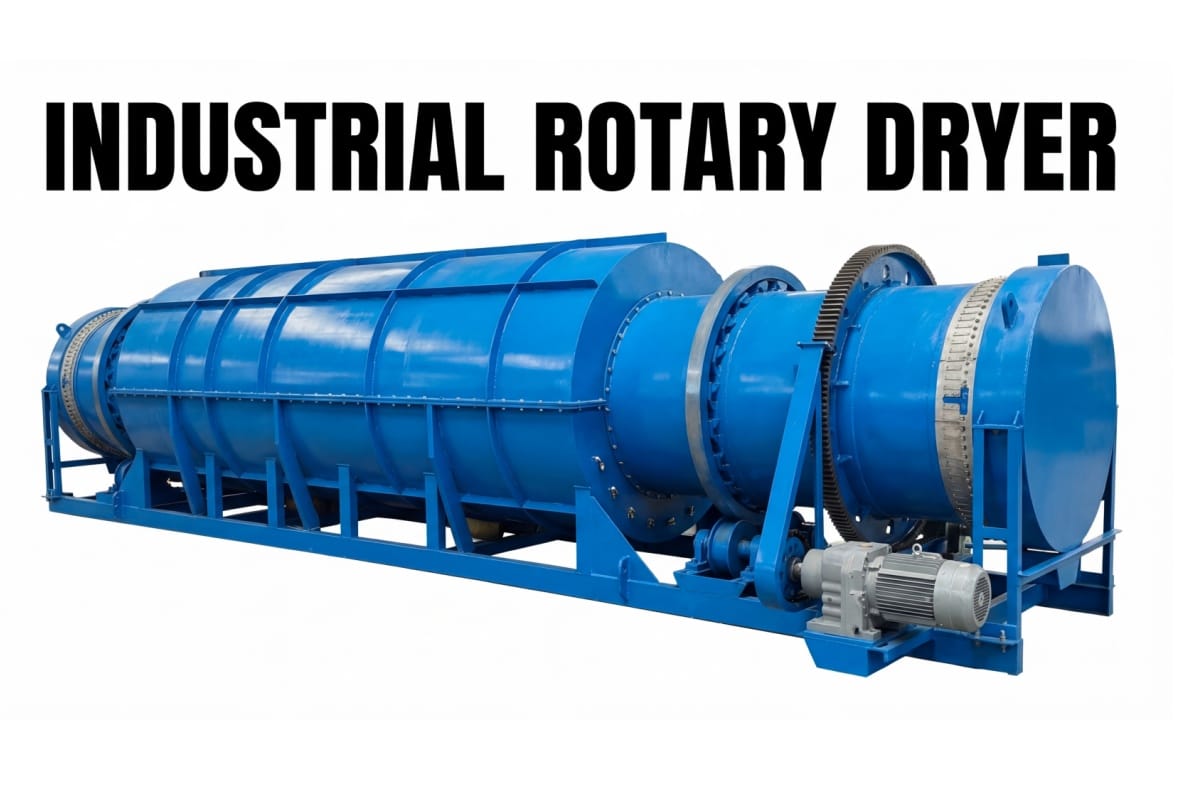
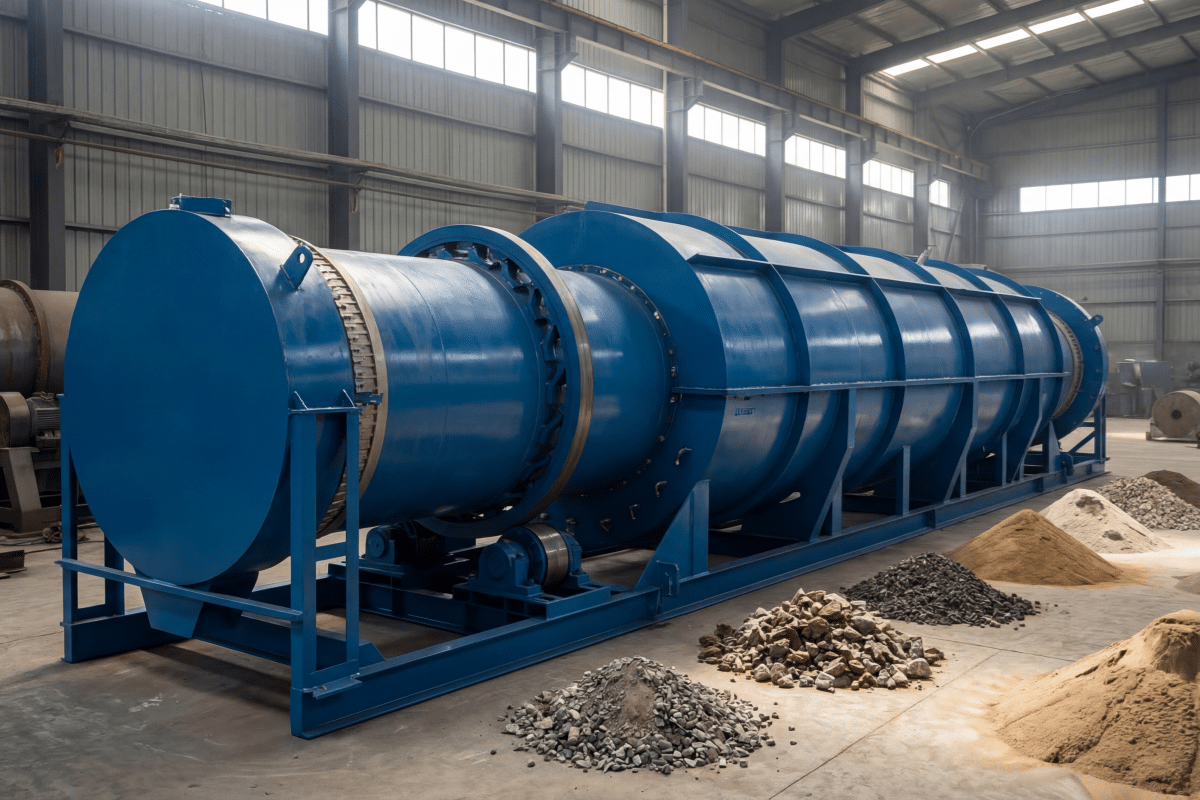
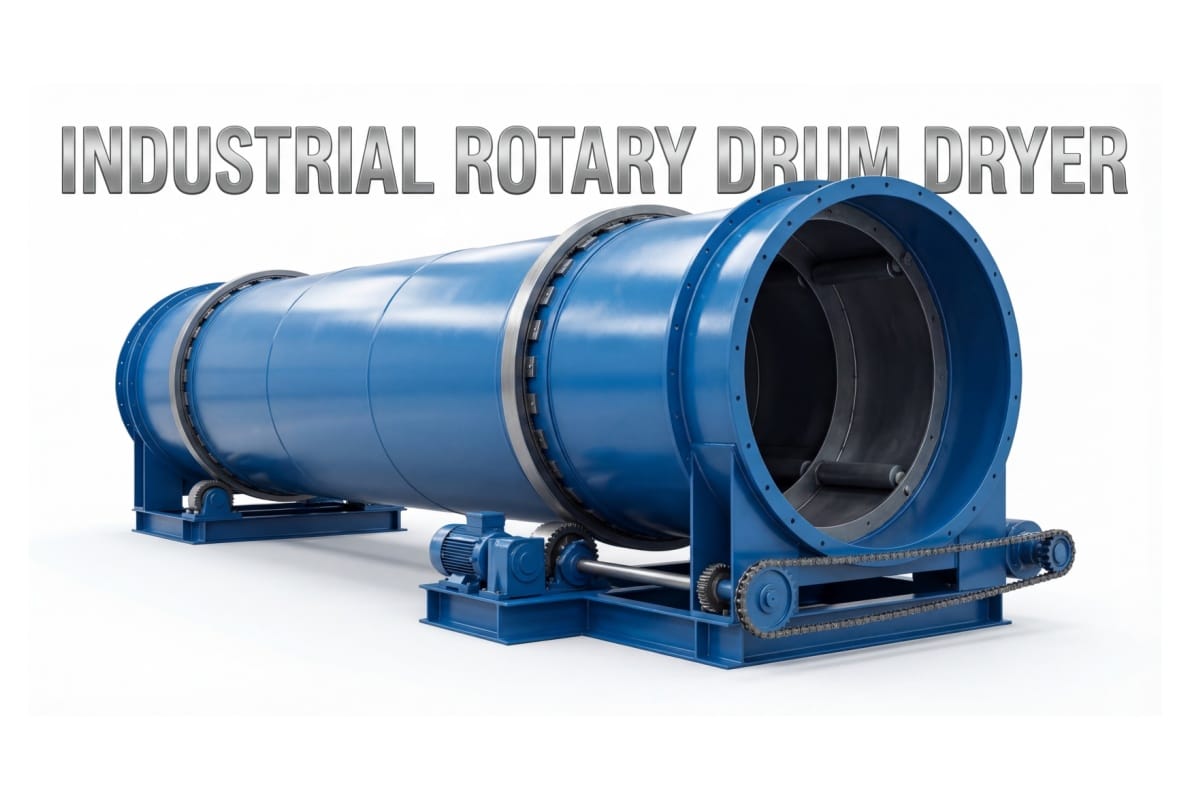
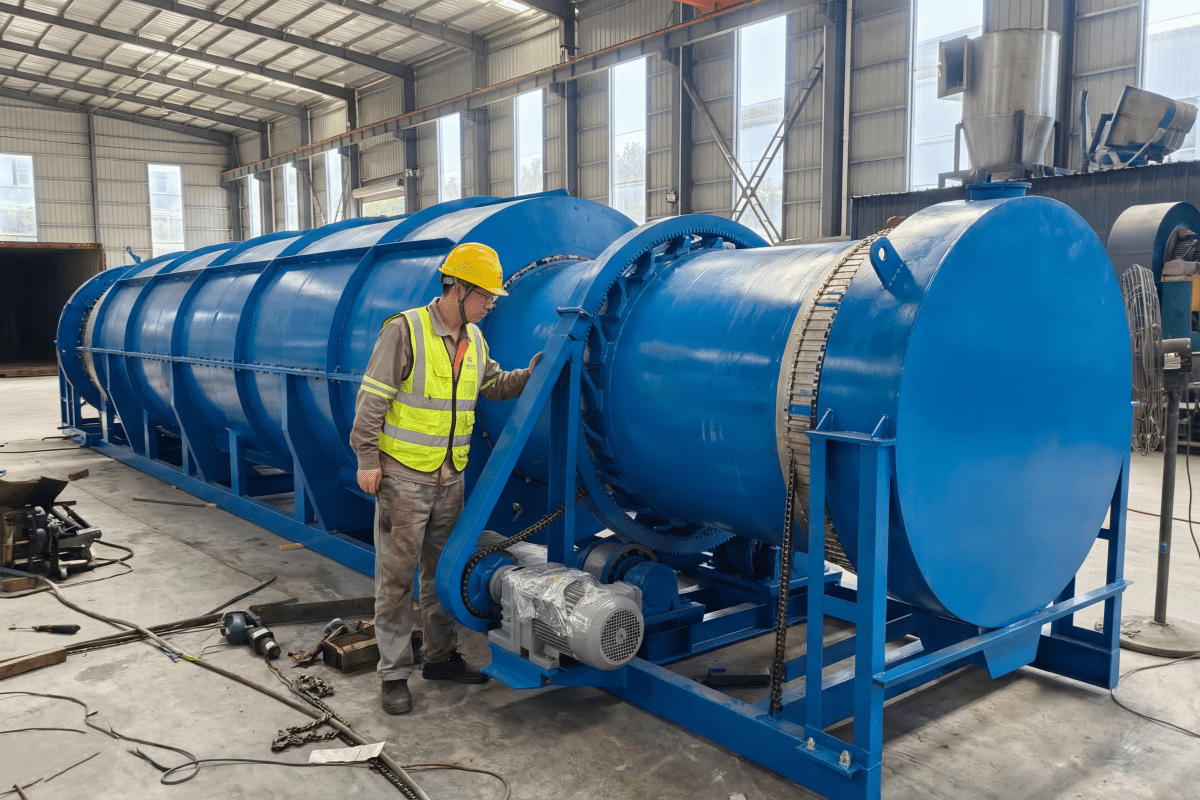
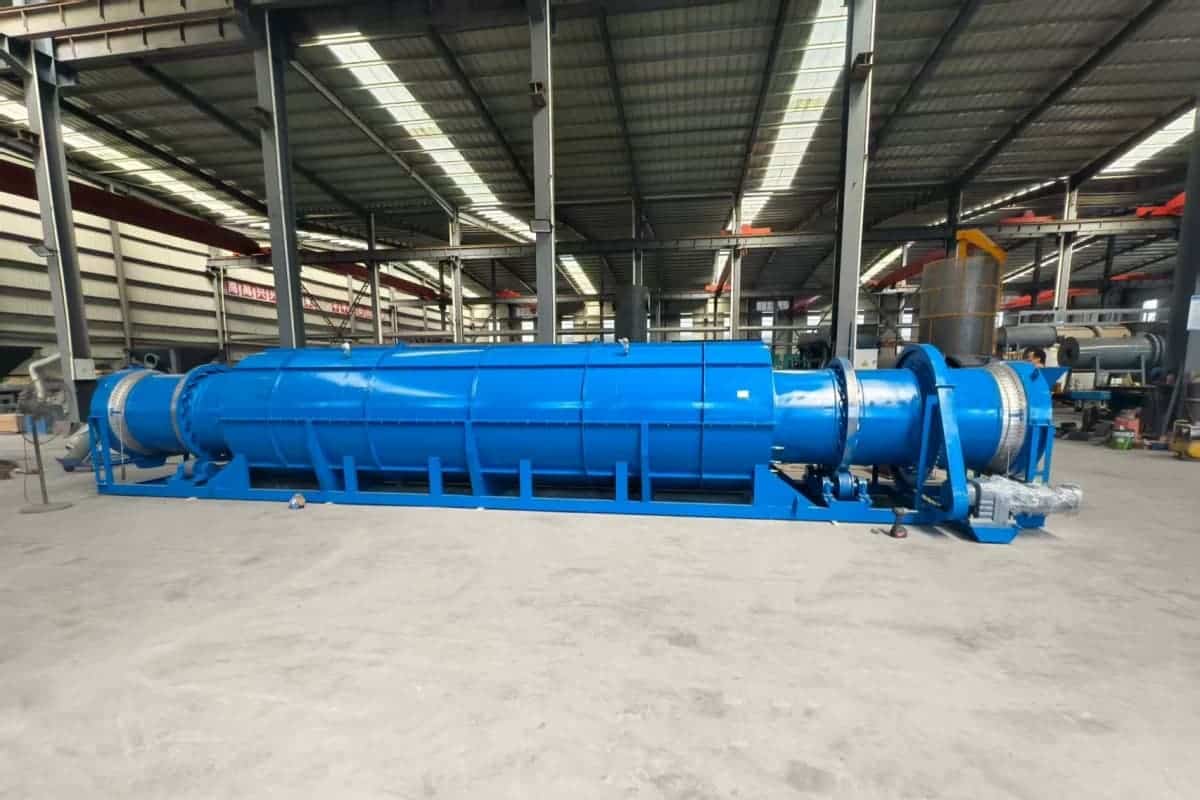
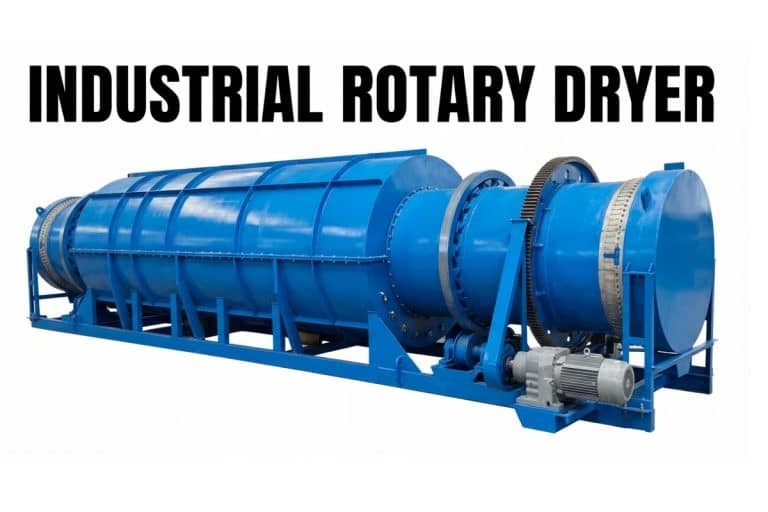
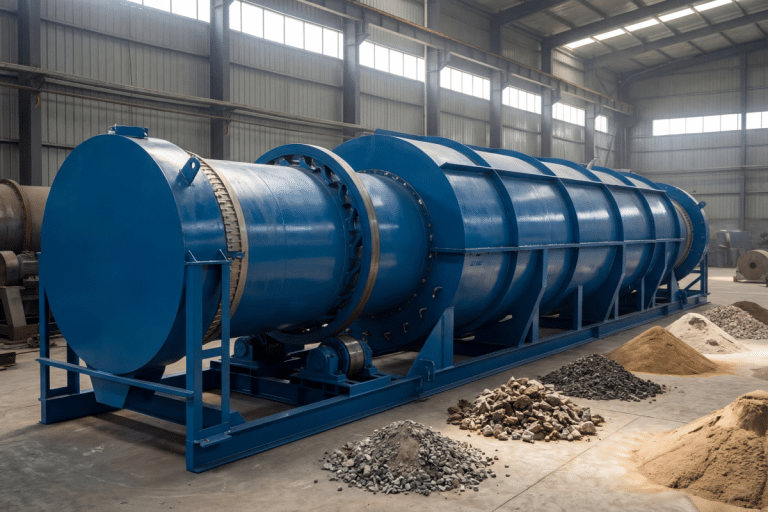
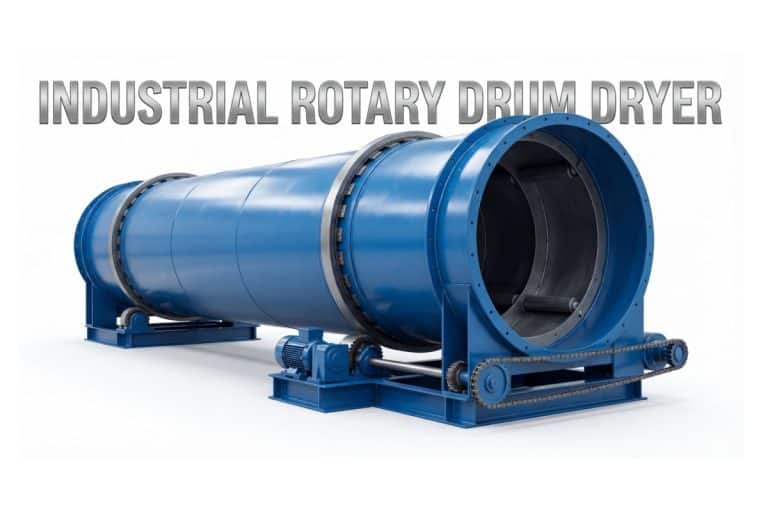
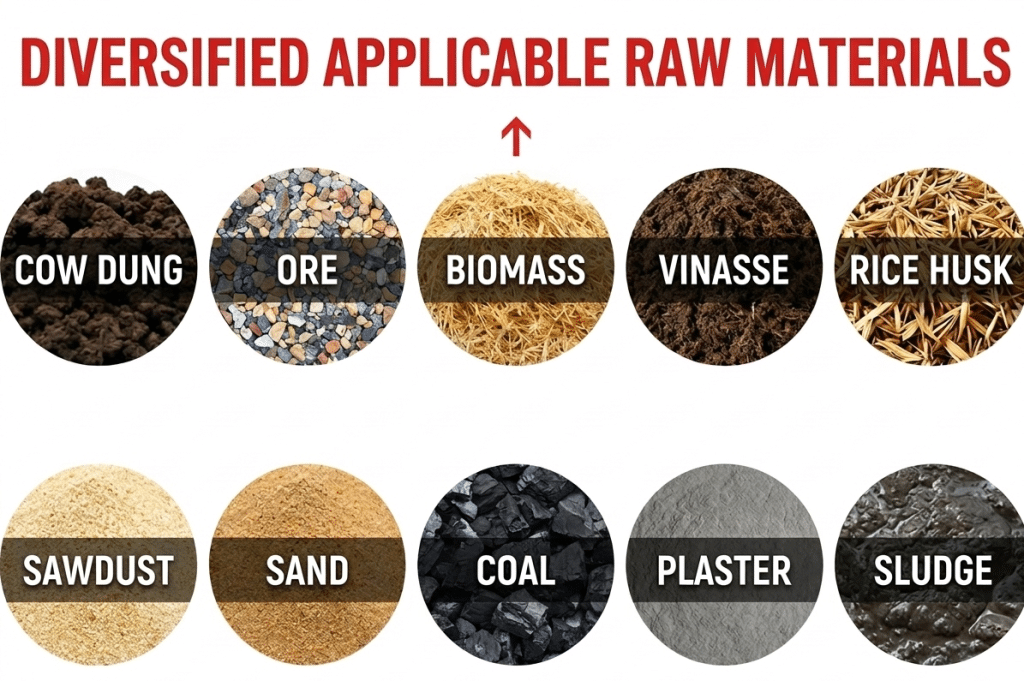
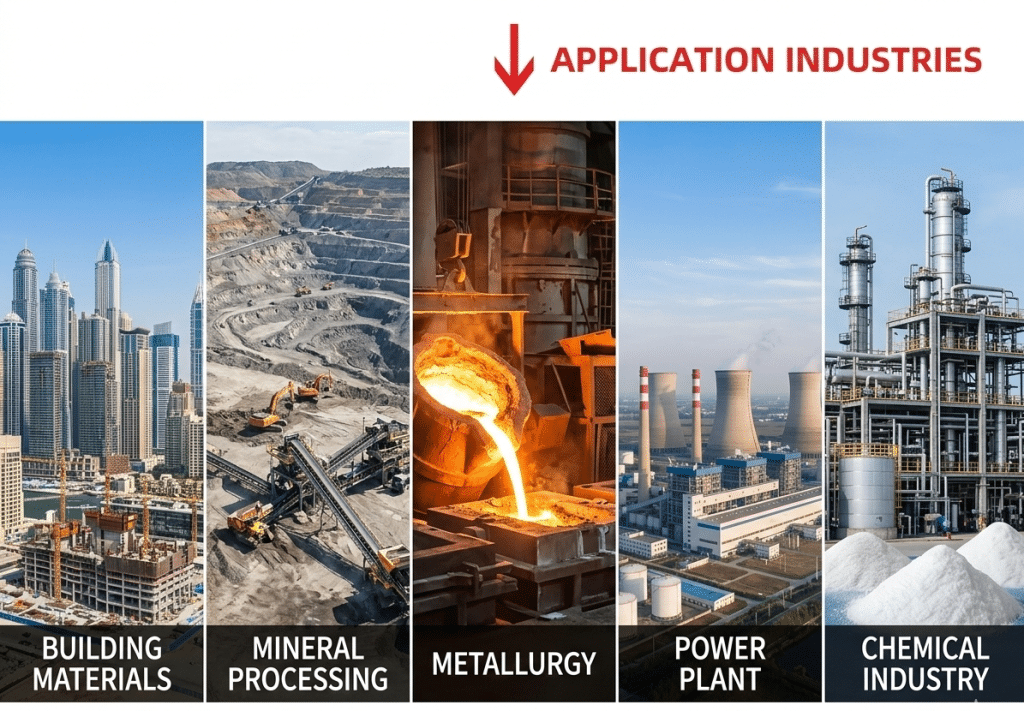
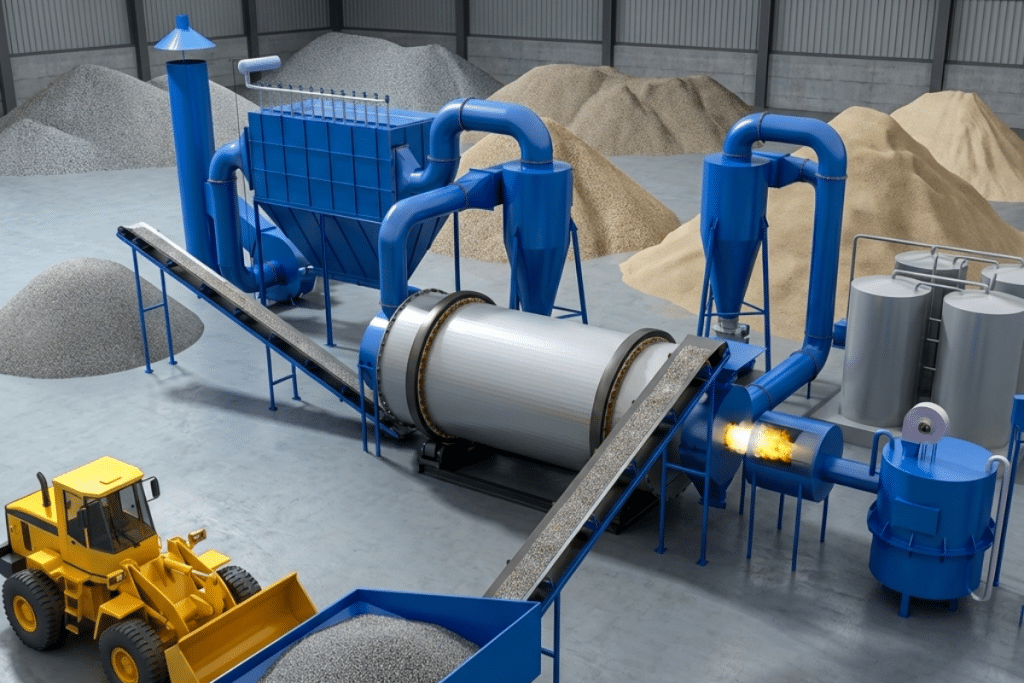
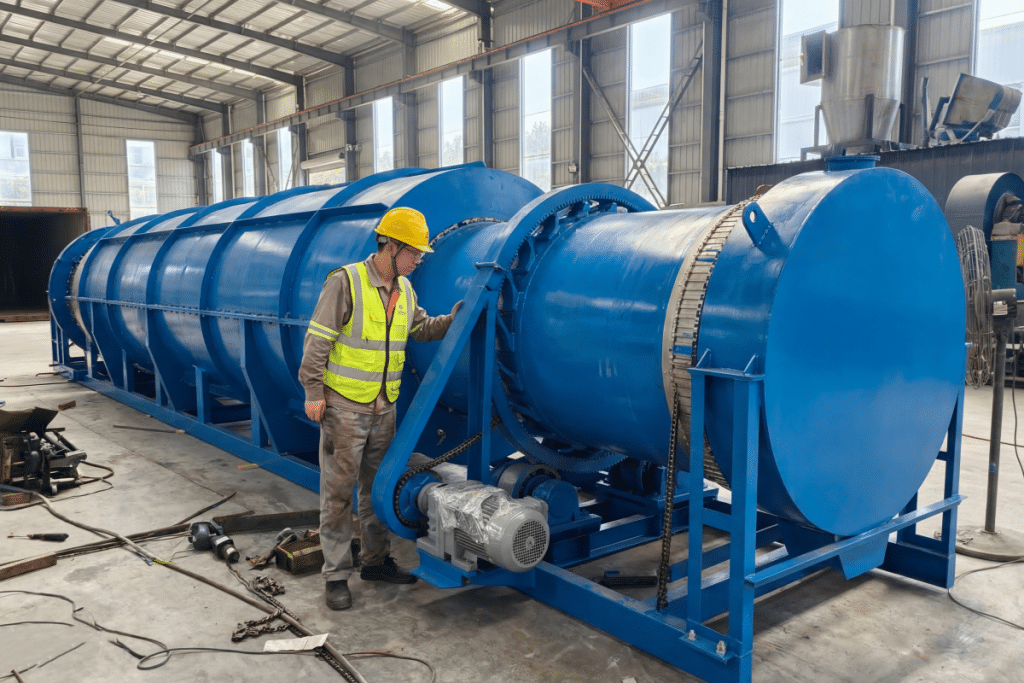
The industrial rotary drum dryer is primarily employed in mineral processing, building materials, metallurgy, and chemical industries for drying materials of specific moisture content or particle size. This indirect heat transfer dryer exhibits strong adaptability to diverse materials, capable of drying various substances. Its straightforward and reliable operation has led to widespread adoption. The equipment comprises a rotating cylinder, lifting plates, transmission mechanism, support structure, and sealing rings.
Working Principle
The heat source for the industrial rotary drum dryer originates from a combustion unit, employing a co-current heating method. Thus, materials requiring drying enter the cylinder via the feed hopper and feed chute, where they are immediately propelled rearward by the spiral lifting plates. As the dryer is inclined, the material flows towards the rear under the combined effects of gravity and rotation. Simultaneously, the material is repeatedly lifted by the flights, transported to the upper section, and continuously scattered downward. This creates a uniform curtain of material within the cylinder, facilitating thorough heat exchange with the hot air stream. Through this repeated scattering, the moisture content is gradually dried, achieving the drying objective.
Outstanding Advantages
- 1.Maximised Thermal Efficiency. The industrial rotary drum dryer employs an innovative lifting plate assembly with multiple functions including guidance, flow equalisation, and material lifting. This ensures comprehensive radial distribution of material within the dryer, creating a thin, uniform, and fully covered material curtain that achieves complete contact with the hot air stream. This maximises thermal energy utilisation.
- 2.High efficiency, low consumption. The industrial rotary drum dryer incorporates an innovative sealing mechanism coupled with an effective insulation system, significantly reducing coal consumption within the drying system. Compared to single-drum dryers, it occupies approximately 50% less floor space, reduces civil engineering investment by around 50%, and consumes over 60% less electricity.
- 3.High dust removal efficiency. Improvements to the dust removal equipment ensure balanced airflow, material flow, and coal consumption within the system. This enhances the working environment, achieves high-quality and high-yield production, facilitates easier cleaning, and simplifies internal maintenance.
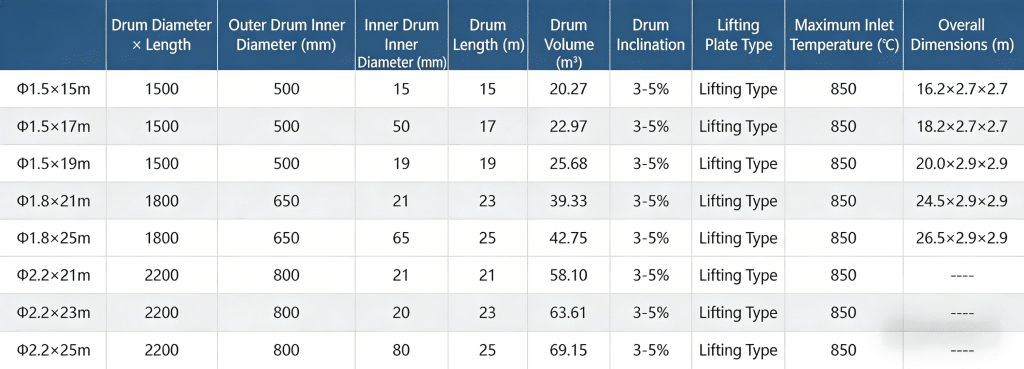
Technical Parameters