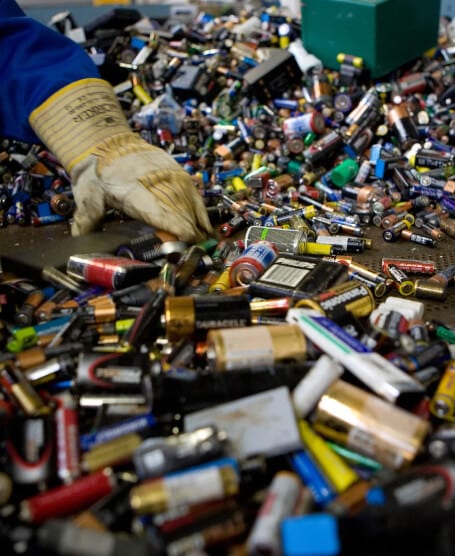
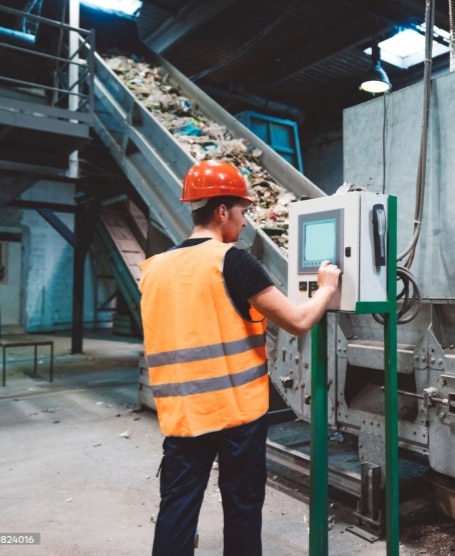
With the rapid development of the new energy sector, lithium-ion battery recycling has officially evolved from an ‘environmental challenge’ into a ‘goldmine of resources’.
Industry data indicates that the average service life of power batteries is 5–8 years. This implies that the batteries powering the explosive growth of new energy vehicles between 2018 and 2021 are now entering a concentrated phase of end-of-life. By 2026, the world will witness an unprecedented “wave of battery retirement”, directly propelling the recycling market into a phase of explosive growth valued at hundreds of billions.
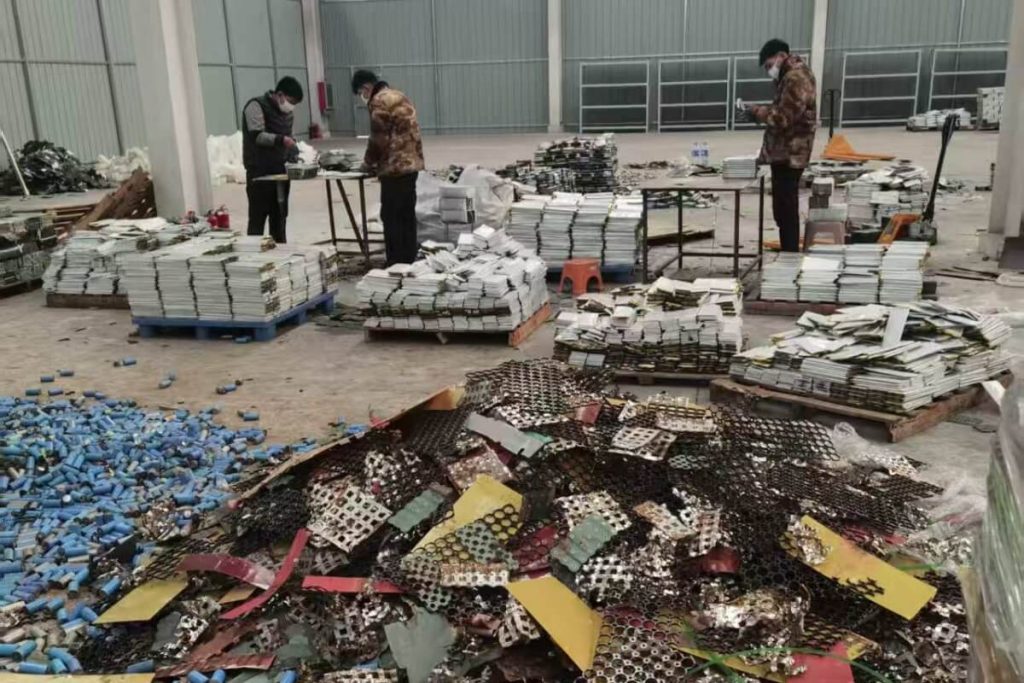
Global Expansion and Policy Drivers
In Europe, North America and Southeast Asia, lithium-ion battery recycling is no longer an optional choice.
The EU’s New Battery Law: This imposes strict requirements on battery manufacturers to fulfil their Extended Producer Responsibility (EPR) obligations and sets mandatory thresholds for the proportion of recycled raw materials.
Resource Security: The sharp fluctuations in the prices of critical metals such as lithium, cobalt and nickel have made the development of ‘urban mines’ more economically resilient than primary mining.
The ‘Second Half’ of the Recycling Industry: From Scale Competition to Technology Competition
Lithium-ion battery recycling is not only the last line of defence for environmental protection but also the core of the closed-loop new energy industry chain. However, as the complexity of end-of-life batteries increases (e.g. CTP technology, coexistence of multiple chemical systems), traditional, crude processing methods are no longer viable.
How to Stand Out in the 2026 Recycling Blue Ocean?
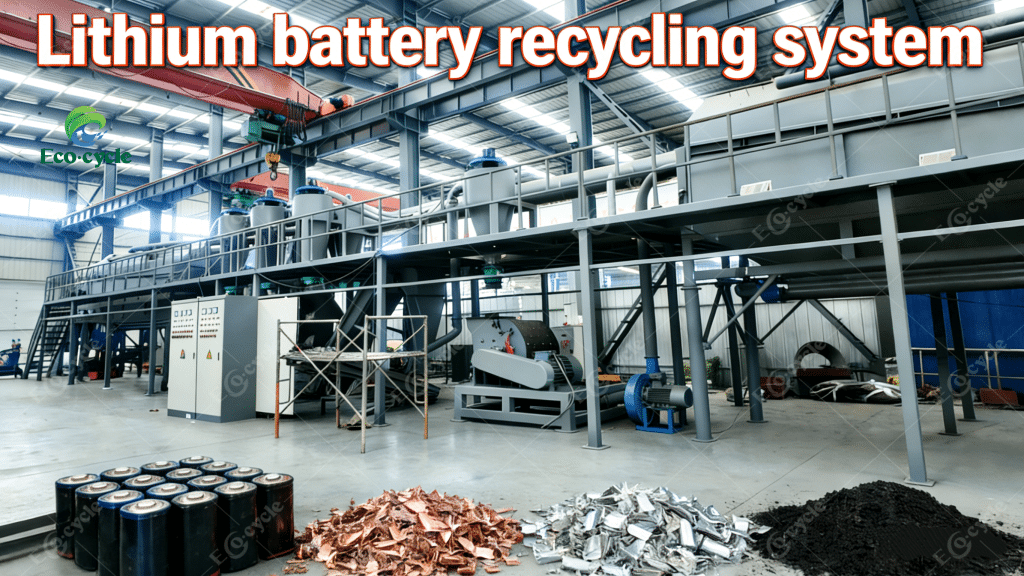
Faced with the surging tide of end-of-life batteries, the challenge for enterprises is no longer merely “whether they can collect batteries”, but “whether they can process them safely, efficiently and in compliance with regulations”.
When dealing with high-energy-density batteries, outdated equipment poses high risks of fire and explosion, yields low metal recovery rates and fails to meet environmental emission standards – all of which will become “stumbling blocks” to corporate development. Upgrading to automated, intelligent cryogenic or physical disassembly equipment—making the leap from ‘manual disassembly’ to ‘smart factories’—is the only way for enterprises to remain competitive in 2026 and beyond.
Seize the benefits of the end-of-life wave by starting with equipment upgrades.