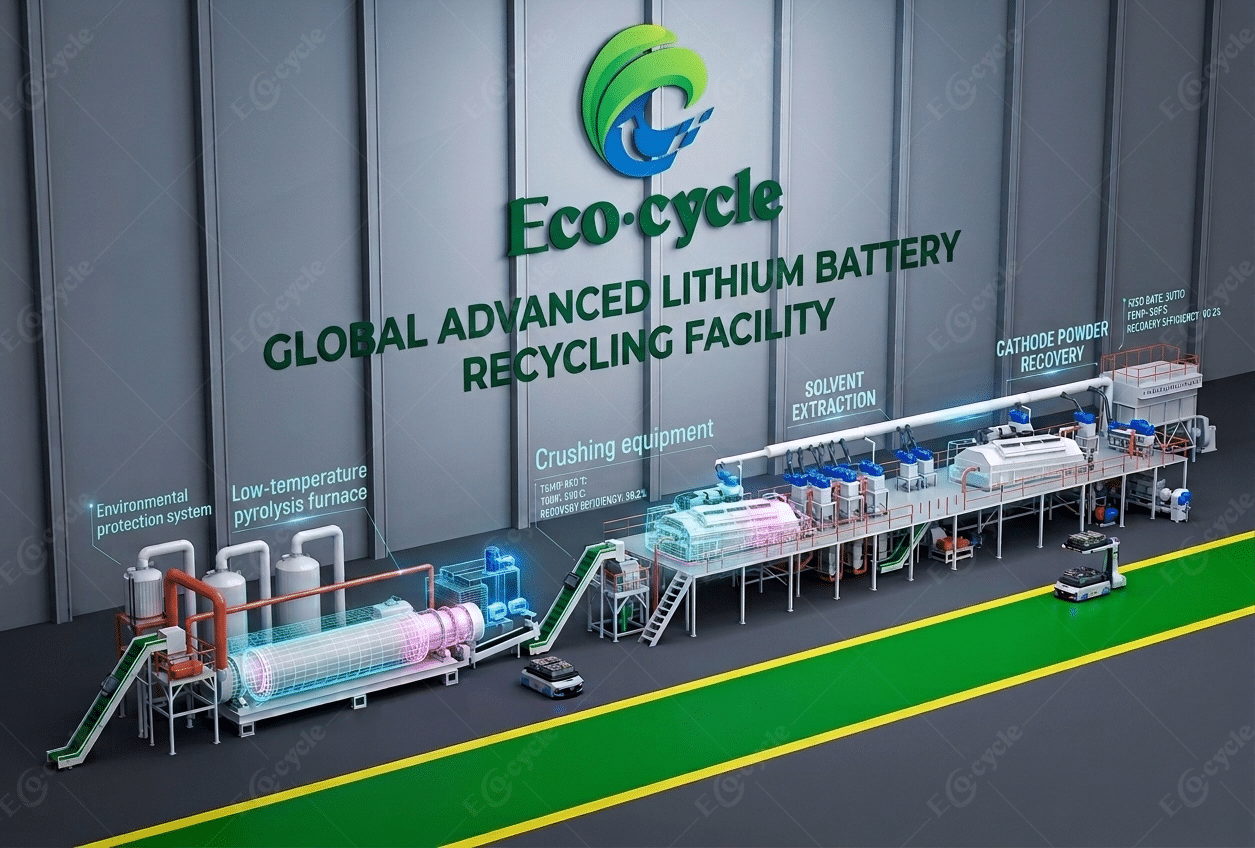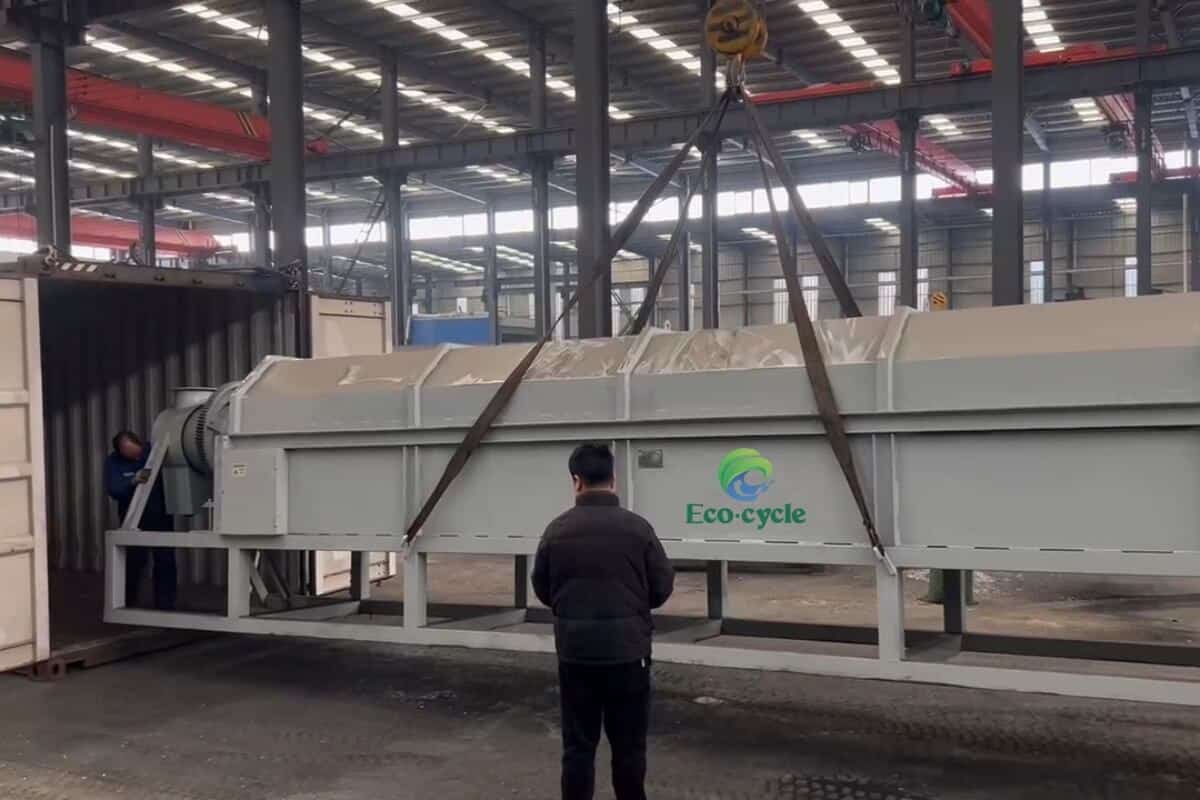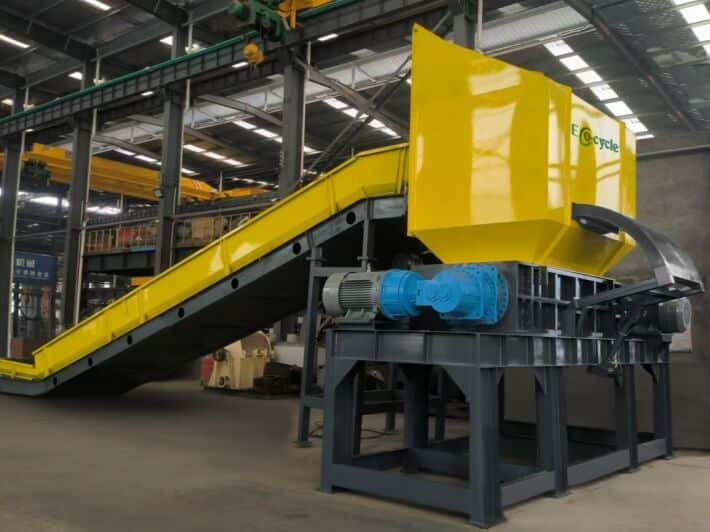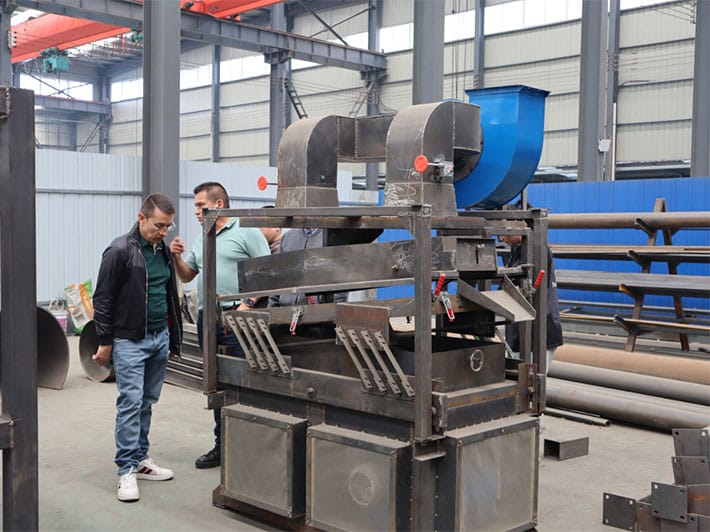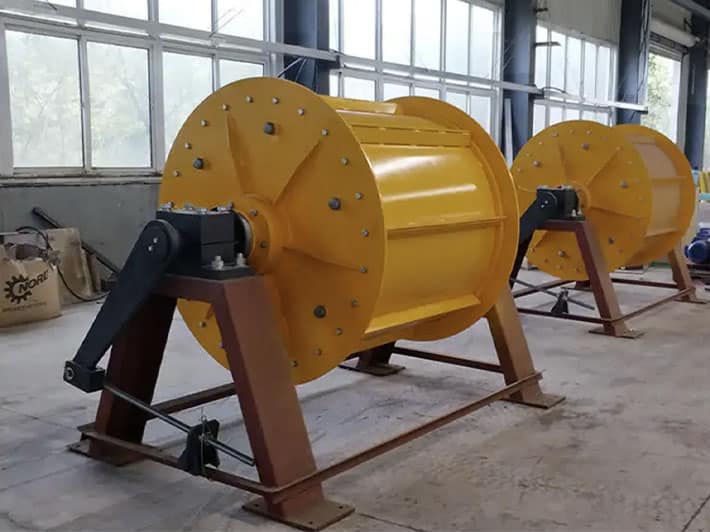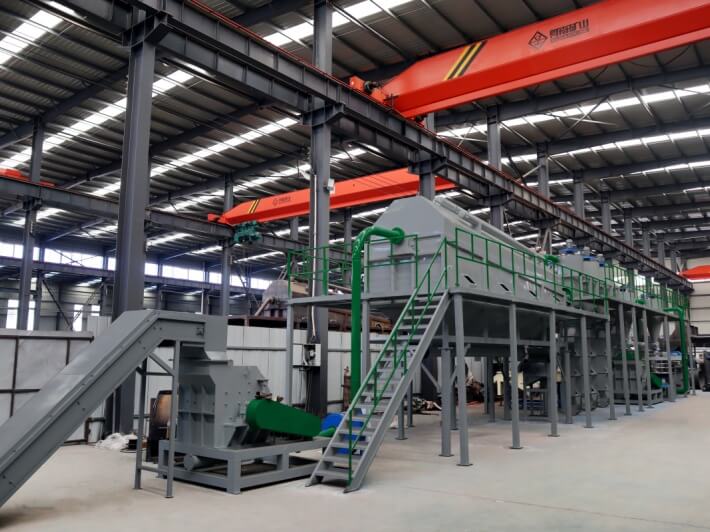
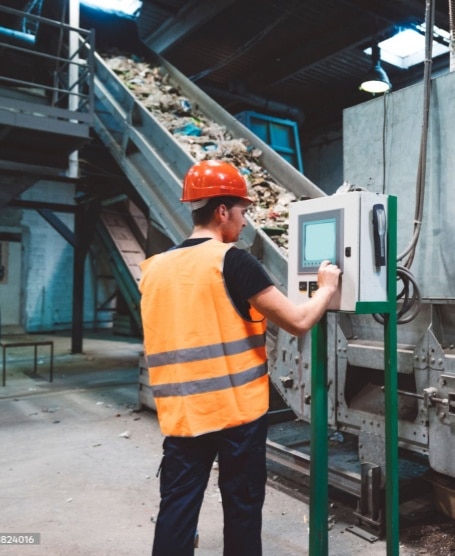
Feedstock characteristics vary across projects regarding battery chemistry, state of charge (SOC), moisture content, residual electrolyte, and impurity levels. Therefore, when selecting lithium battery recycling equipment, one should not rely solely on equipment specifications but must verify actual processing performance through pilot tests.
The following data should be recorded prior to testing
- Battery chemistry (LFP, NMC, or LCO)
- Feedstock form (cells, modules, or production scrap)
- State of Charge and moisture content
- Proportions of plastic, steel, copper, and aluminum
Without clear feedstock information, test results are of limited use for equipment selection.
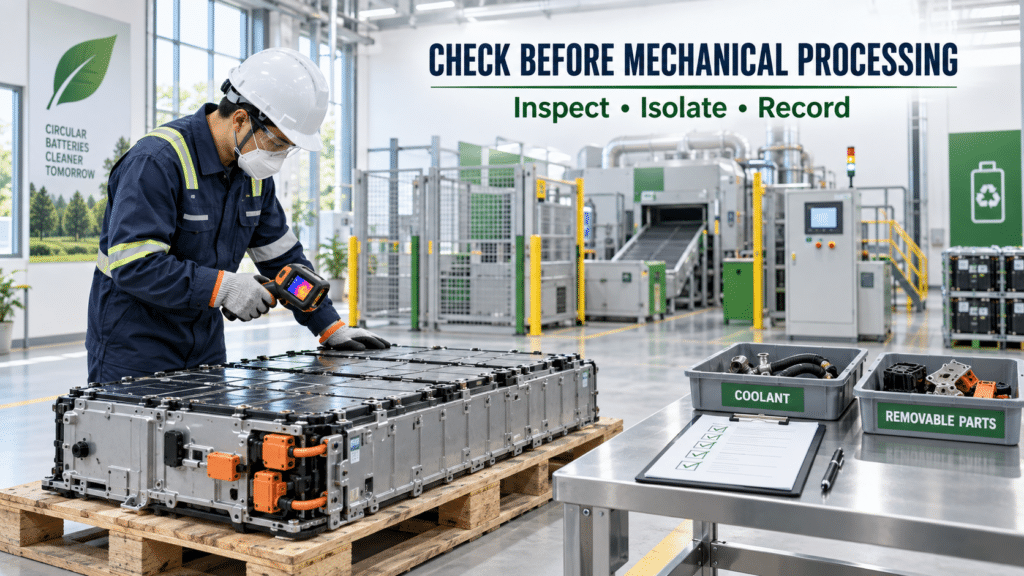
Pilot tests should not merely demonstrate peak instantaneous throughput; they must also record:
- Stable throughput
- Electricity consumption
- Continuous operation time
- Instances of clogging and downtime
- Consumption of water, fuel, and consumables
Evaluation should focus on whole-line OPEX rather than the energy consumption of a single piece of equipment.
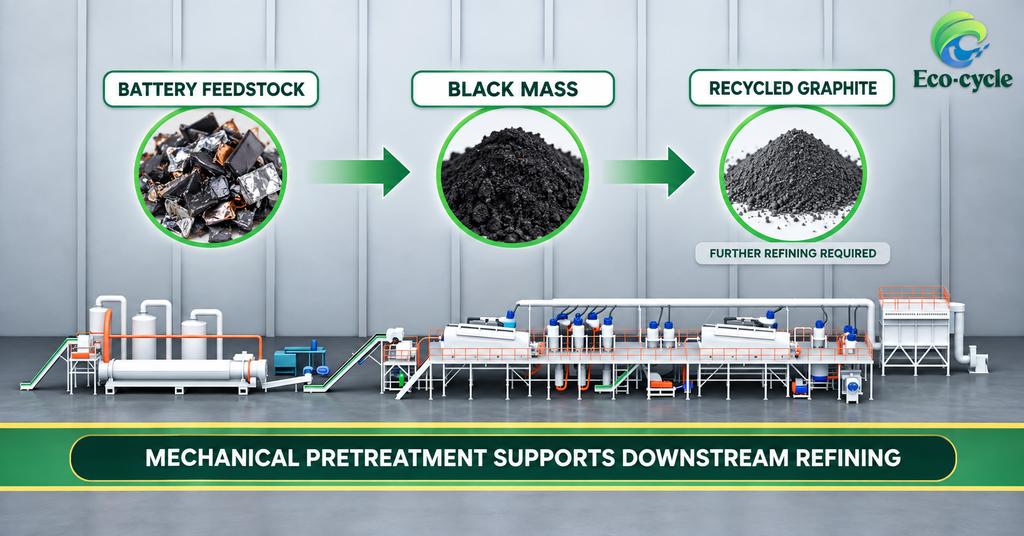
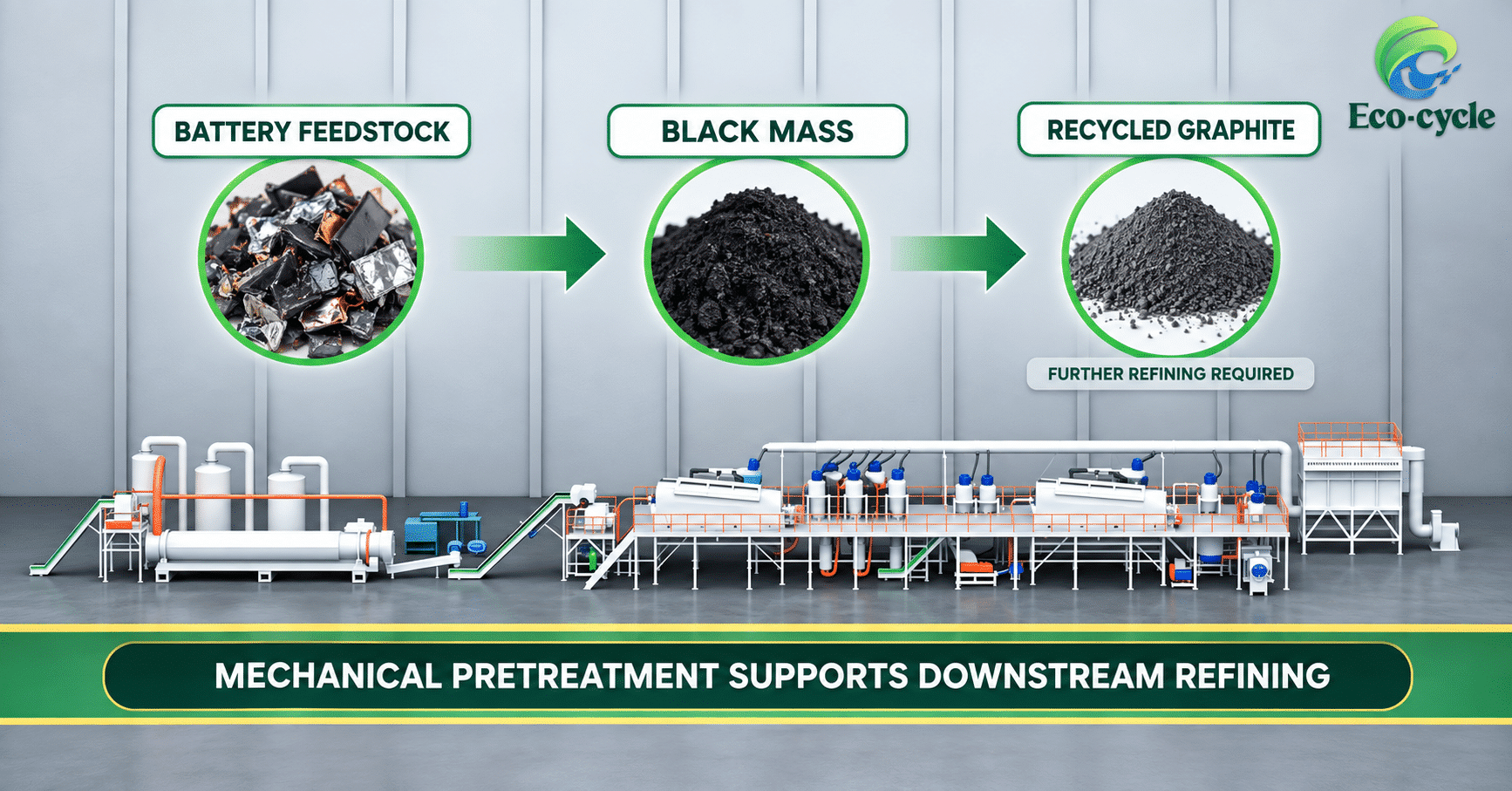
In addition to black mass yield, the following should be analyzed:
- Copper and aluminum contamination
- Residual organics
- Water-soluble fluoride
- Moisture content and particle size
Specific parameters should be determined based on downstream hydrometallurgical processes or the client’s acceptance criteria.
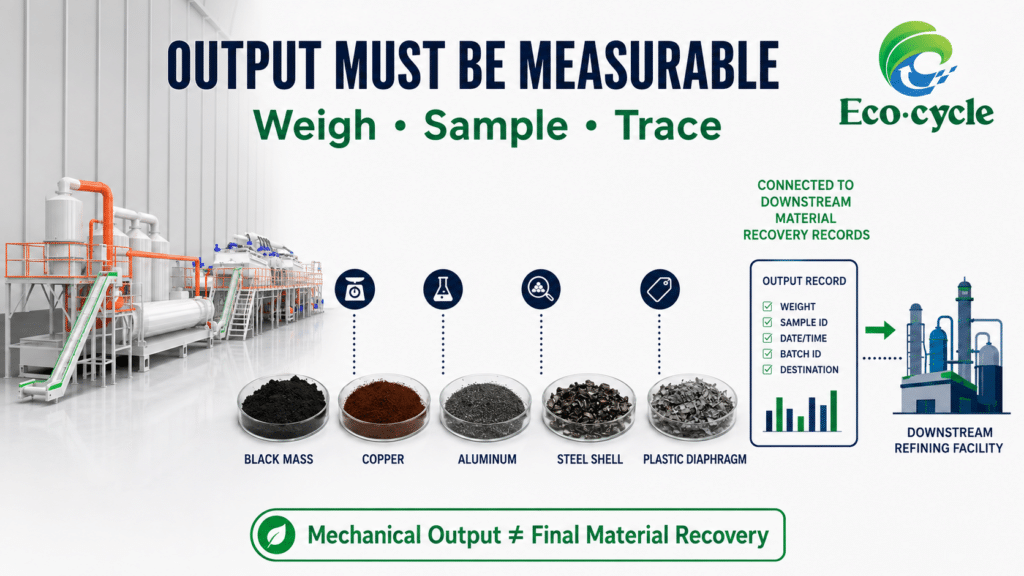
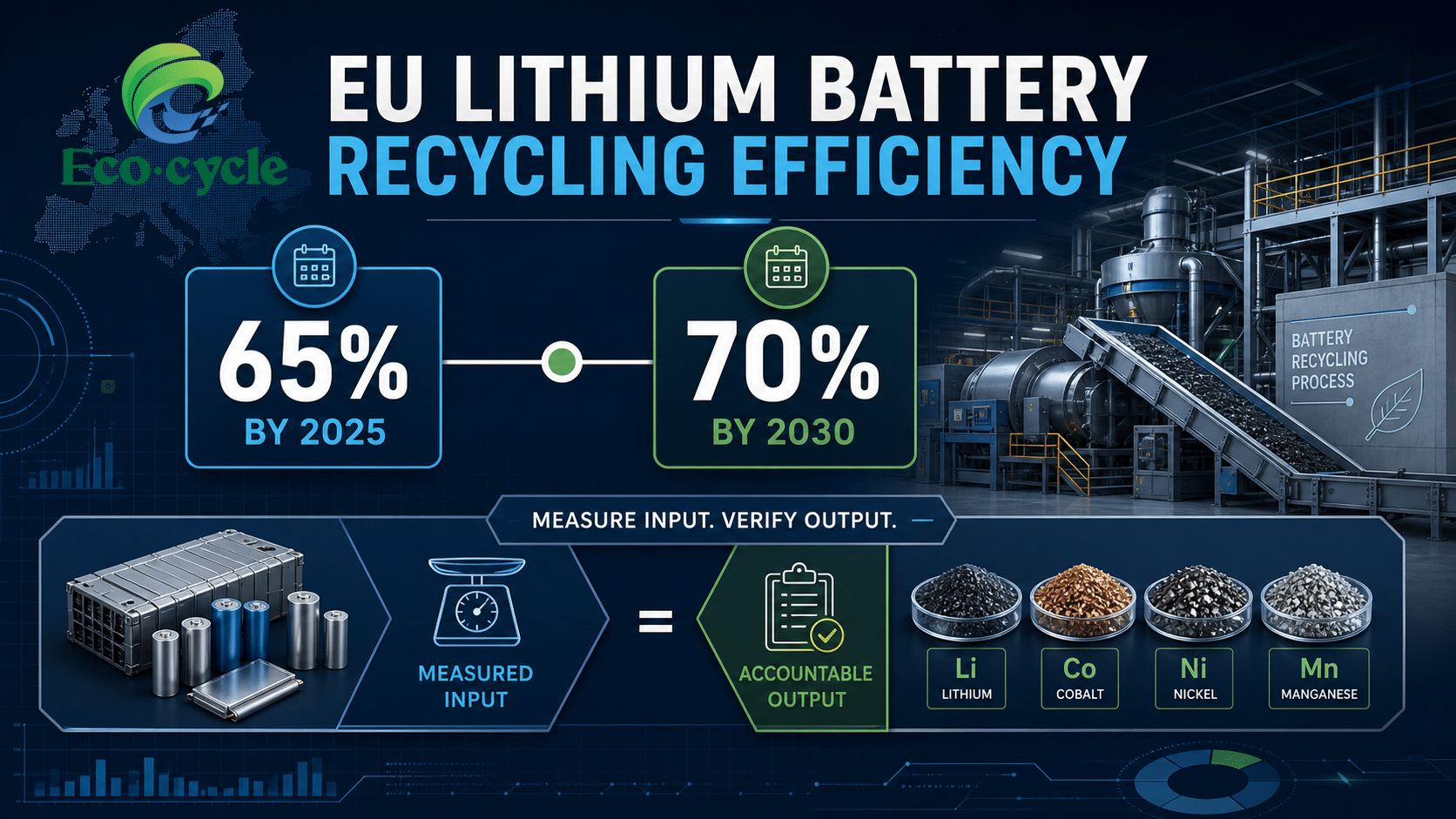
Feedstock input must be reconciled with outputs—including black mass, copper, aluminum, steel, plastic, dust, and losses. A complete mass balance helps identify material retention within the equipment, weighing errors, and material losses.
During the test, systems for dust collection, off-gas treatment, HF capture, combustible gas monitoring, and pressure protection should also be checked for compliance with project requirements.
A valuable pilot test requires the simultaneous evaluation of feedstock, throughput, black mass quality, mass balance, energy consumption, and environmental protection systems. There is no “one-size-fits-all” solution; equipment selection should be based on actual feedstock characteristics, target products, and whole-line OPEX.
FAQ
It cannot provide a direct guarantee. Long-term performance is also influenced by factors such as feedstock variations, operational management, and maintenance.
It is recommended to record both, using data per ton at stable throughput for comparison.
Yes, but the proportions of the different materials must be recorded; otherwise, the test results will be difficult to analyze accurately.
♻️ If you need to evaluate a lithium-ion battery recycling project, please provide ECOCYCLE with details regarding the feedstock type, processing capacity, and target products. We can then discuss suitable pilot tests and equipment solutions with you.
GET INPLANNING A RECYCLING PROJECT? TOUCH