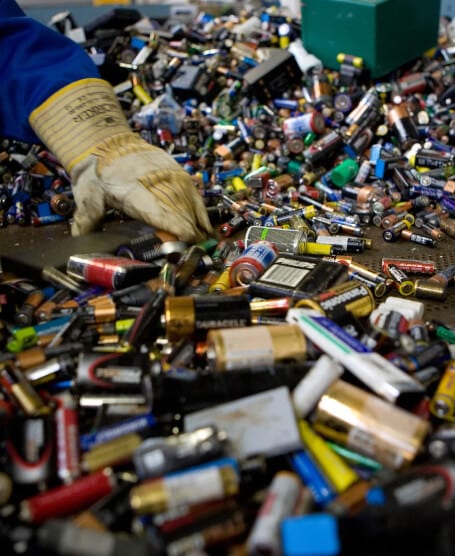
With lithium-ion battery recycling policies aligning with the wave of decommissioning, market momentum has been on an upward trend for nearly two years, accompanied by a flurry of policy measures centred on the recycling of end-of-life batteries and the circular utilisation of resources. The General Office of the State Council has called for the establishment of a sound system for the recycling and utilisation of new energy vehicle power batteries, with relevant departments subsequently refining management rules for recycling and comprehensive utilisation. Industry regulation is shifting from encouraging development towards full-chain standardisation (National Policy/Regulatory Authorities). This signifies that lithium-ion battery recycling is no longer merely an end-of-life environmental issue, but is becoming a vital piece of infrastructure for safeguarding resource security, industrial security and public safety. For industry clients, investors and regulatory authorities alike, the refinement of the used battery recycling system is generating clearer industry expectations and more stable market signals.
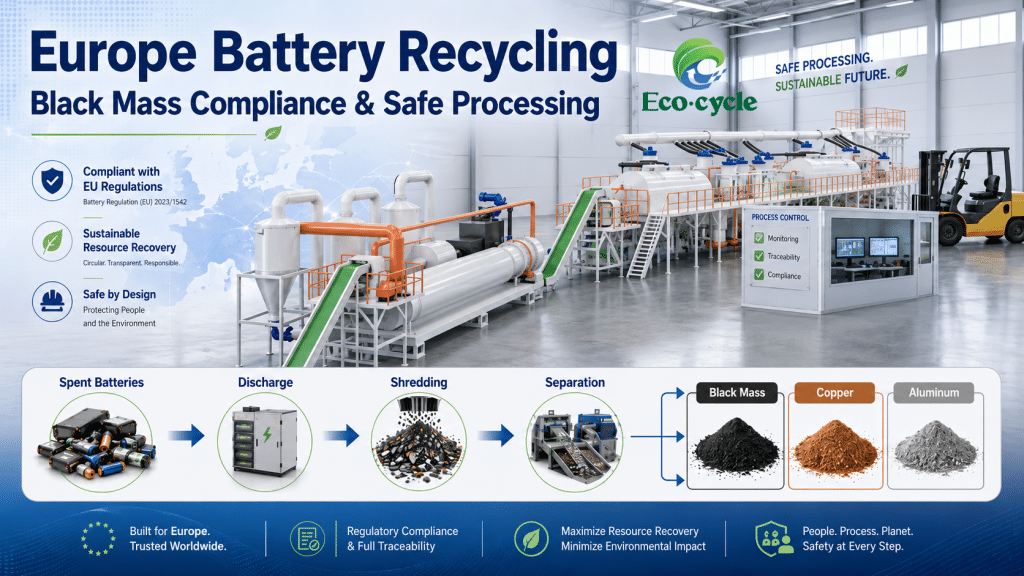
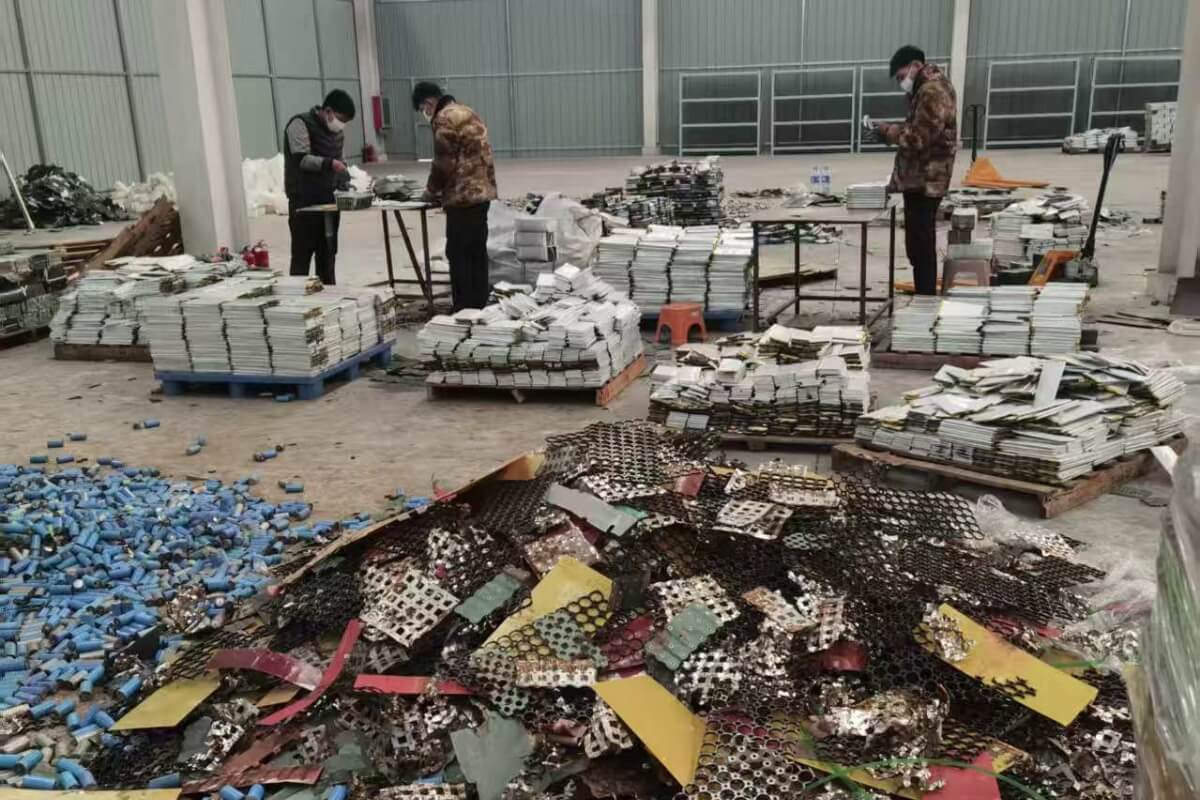
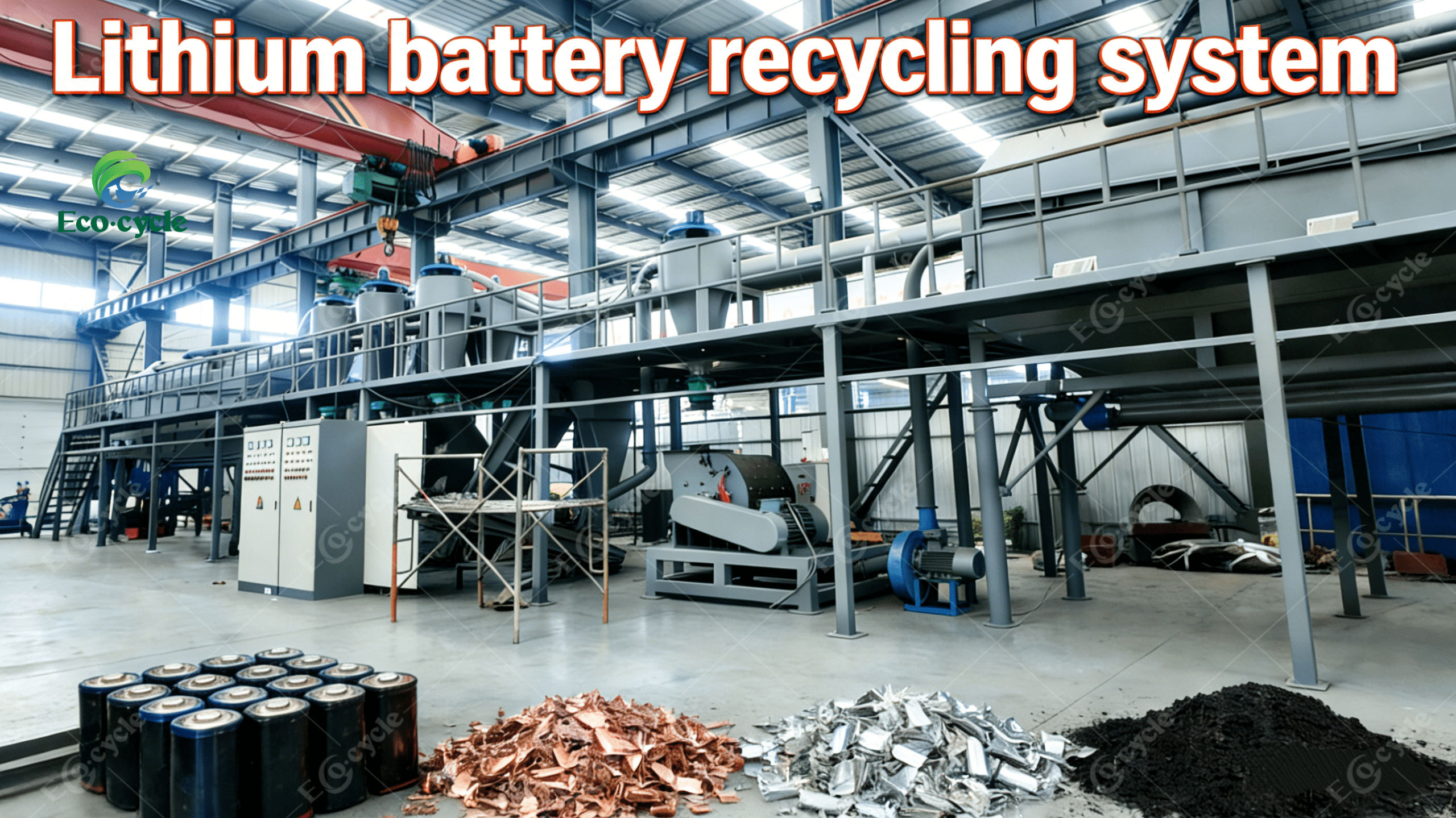
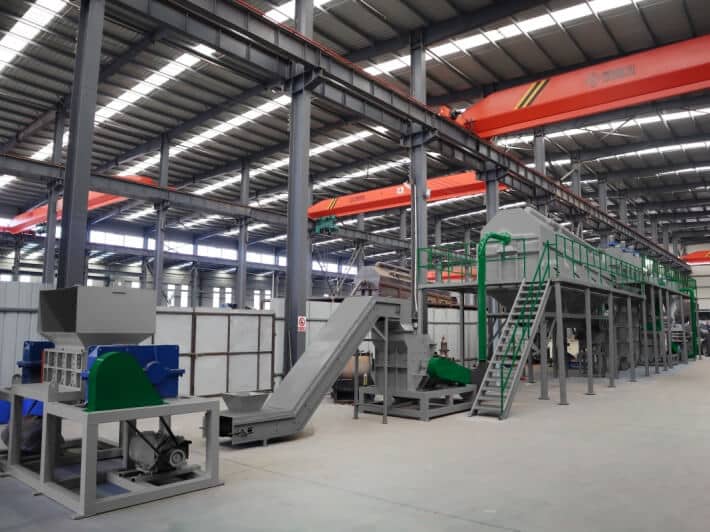
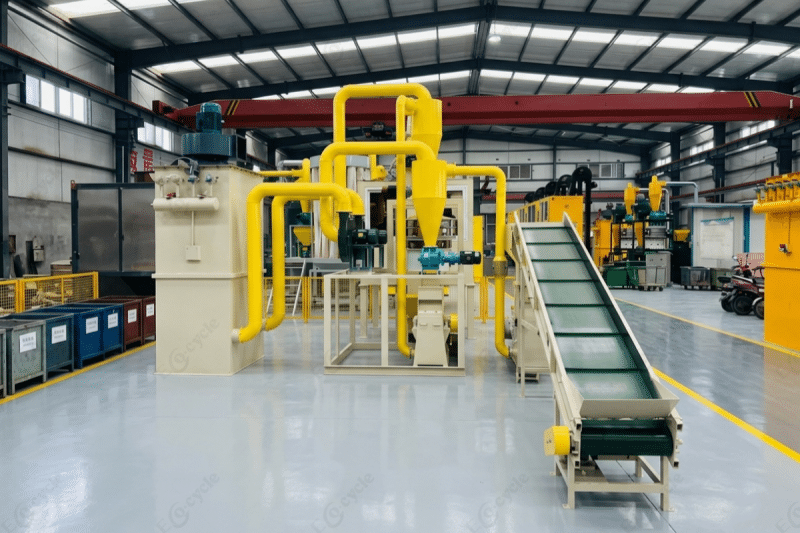
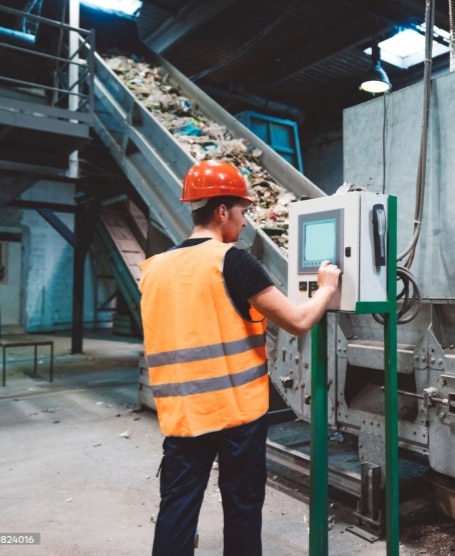
Automated processing has become key to enhancing safety, efficiency and compliance. Faced with the realities of complex battery pack structures, high risks associated with residual charge and significant variations in materials, automated processing has become the core approach to handling used lithium-ion batteries. Battery recycling production lines that integrate automatic feeding, discharge, disassembly, crushing, screening and sorting are replacing manual methods characterised by high risk and low consistency. For industry clients and government regulators, automation is not only a matter of production capacity but also relates to safety management, environmental control and traceable operations. Consequently, lithium-ion battery recycling equipment, crushing and sorting equipment, and the ability to integrate complete systems are becoming key considerations in project construction and production line upgrades.
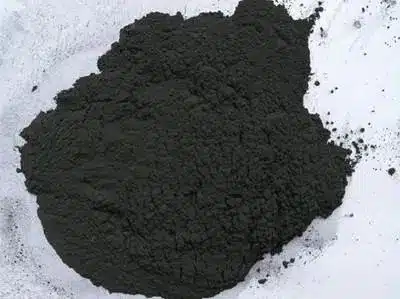
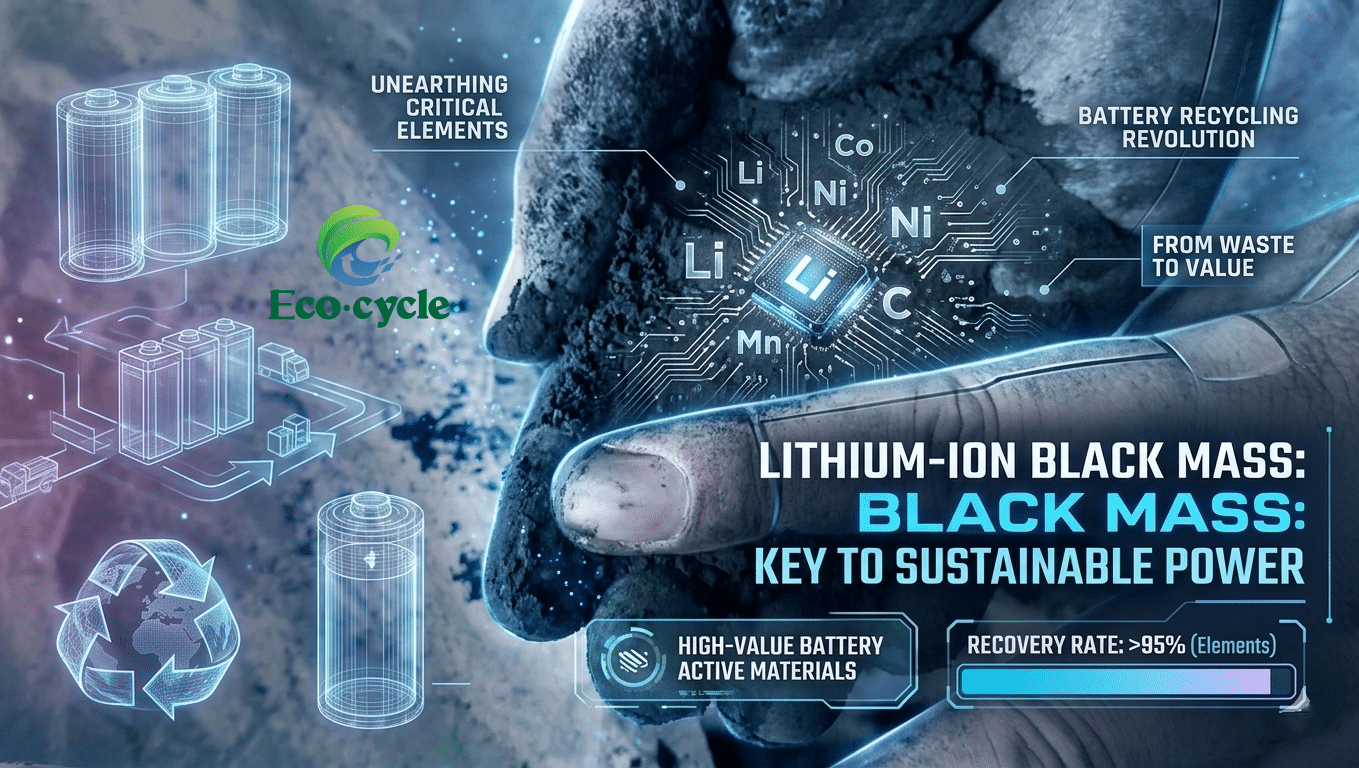
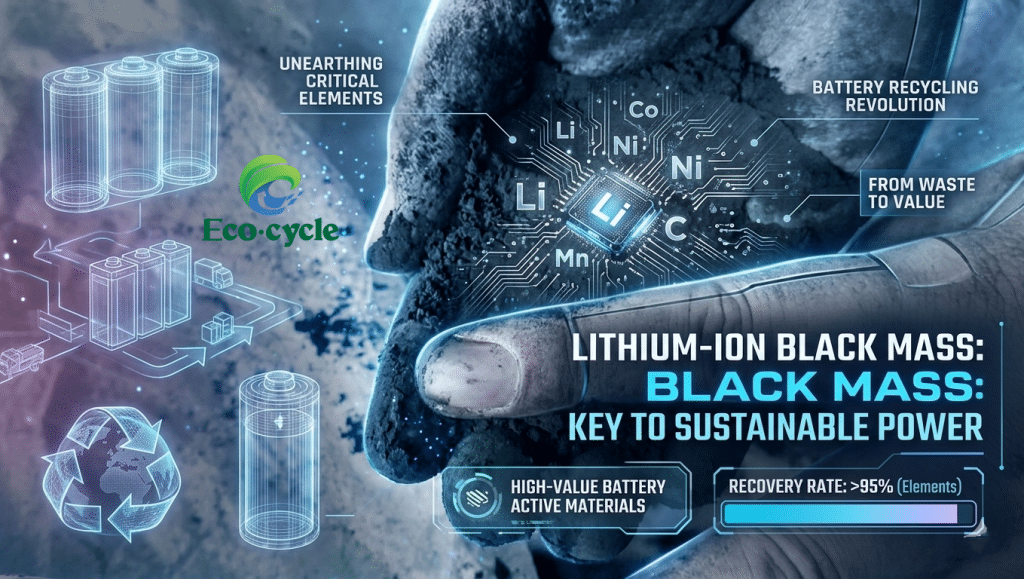
Black mass recovery has become a key entry point for high-value utilisation. In the lithium-ion battery recycling process, black mass recovery serves as the critical link between front-end disassembly and sorting and back-end hydrometallurgical extraction and material regeneration. With the implementation of the national standard ‘Recycled Black mass for Lithium-Ion Batteries’ and the further standardisation of import controls for recycled black powder raw materials, black mass is rapidly evolving from an ‘intermediate product’ into a ‘standardised resource’ (as per national standards and announcements by the competent authorities). From an industry value perspective, black mass recovery directly impacts the recovery efficiency, product purity and overall economic viability of key elements such as lithium, nickel and cobalt; it also determines whether waste lithium-ion battery processing projects can truly achieve a high-value closed-loop system.
From equipment to processes, industry competition has entered a phase centred on systemic capabilities. The continued growth of the market does not imply a lowering of entry barriers. Future competition will increasingly be characterised by capabilities in complete line design, process coordination, environmental control, data traceability and stable delivery. For enterprises seeking to establish or upgrade projects, selecting solutions that integrate automated processing, crushing and sorting, black powder recovery pre-treatment and seamless integration with subsequent resource recovery will be more conducive to enhancing project certainty. We believe that the next phase of the lithium-ion battery recycling industry must focus not only on ‘how much is recycled’, but also on ‘how to recycle more effectively, safely, stably and in compliance with regulations’.
Against a backdrop of continuously improving policies, increasingly robust standards and a steadily expanding market, lithium-ion battery recycling will move further towards large-scale and specialised operations. Automated processing will become a fundamental capability for production line construction, whilst black powder recovery will serve as a key driver for unlocking resource value. Companies possessing systematic technical integration capabilities are expected to secure a more advantageous position in this new round of industry upgrading.
We remain committed to a strategy guided by automation, standardisation and traceability, providing automated crushing and sorting solutions, equipment configuration recommendations and production line planning support for lithium-ion battery recycling, end-of-life battery processing and black powder recovery. We welcome industry partners to contact us regarding production line construction, equipment selection and process optimisation, so that together we may drive the industry towards standardised and high-value development.