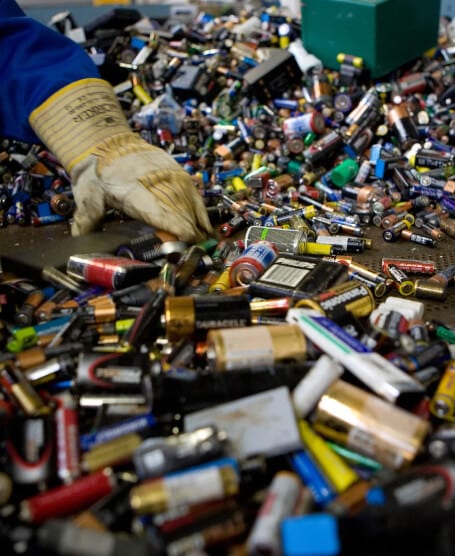
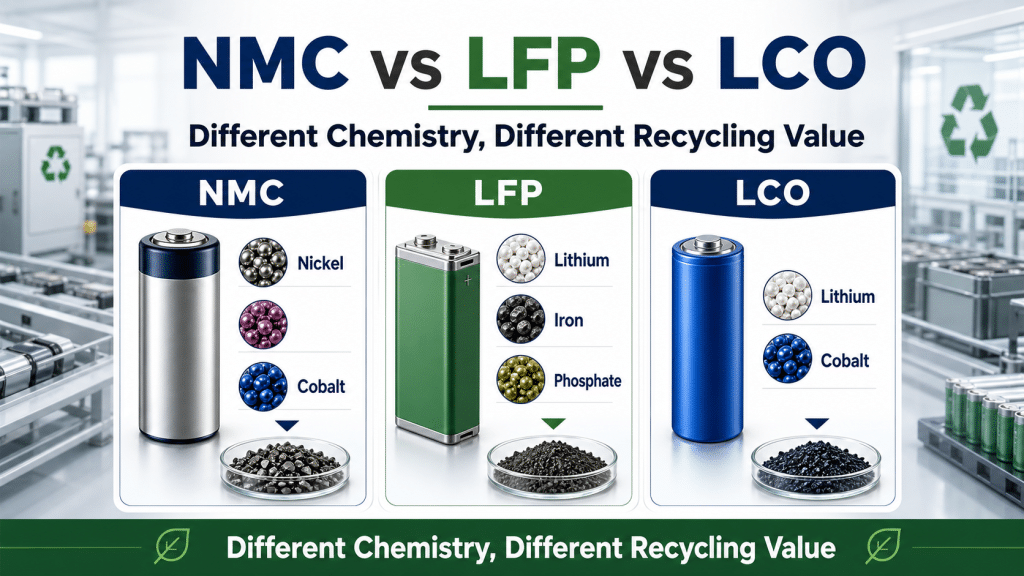
With the development of the electric vehicle, energy storage and two-wheeler markets, the lithium-ion battery recycling industry is facing an increasingly diverse feedstock composition. In the past, many recycling projects focused more on battery systems such as NMC and LCO, which contain higher levels of nickel and cobalt. However, as the scale of LFP battery applications expands, recycling companies need to rethink how they assess the value of battery recycling.
LFP batteries, or lithium iron phosphate batteries, are characterised by good safety, low cost and a long cycle life, and are widely used in electric vehicles, energy storage systems and certain commercial applications. Compared with NMC batteries, LFP batteries do not contain high-value metals such as nickel and cobalt; consequently, some companies tend to underestimate their recycling value.
However, from a project operations perspective, LFP battery recycling cannot be assessed solely on the basis of the price per metric tonne of material. As the scale of energy storage systems and electric vehicle usage increases, the number of LFP batteries entering the recycling process is likely to continue rising in the future. For recycling companies, securing a stable supply of raw materials, large-scale processing capacity, lithium recovery pathways, the effectiveness of copper and aluminium separation, and operational cost control will become key factors influencing project profitability.
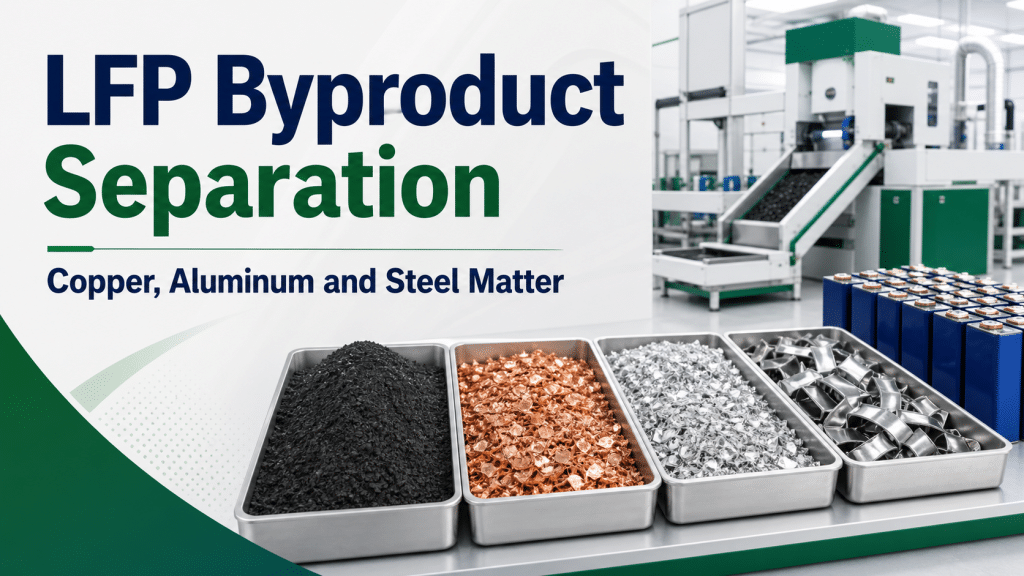
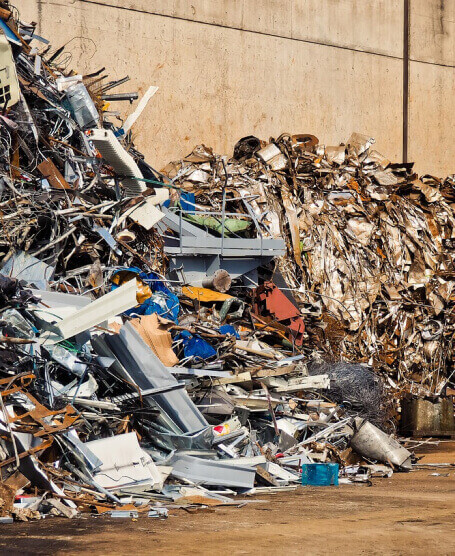
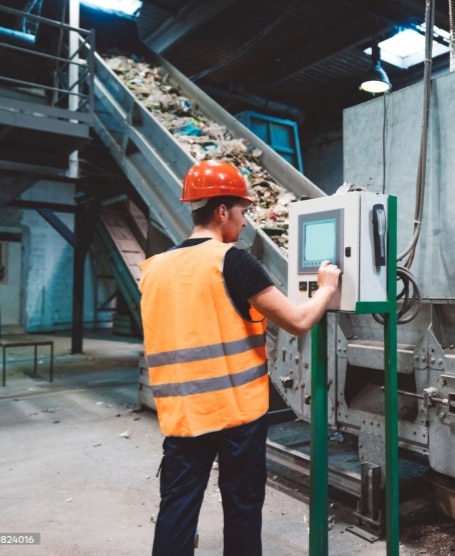
During the LFP battery recycling process, production lines must be designed according to the condition of the raw materials. In the case of end-of-life battery packs, consideration must be given to discharge, disassembly, module processing and safety pre-treatment. For production offcuts, the focus should be on crushing and sorting, black powder collection and material purity. If the raw material sources are mixed, front-end sorting and process optimisation must also be strengthened.
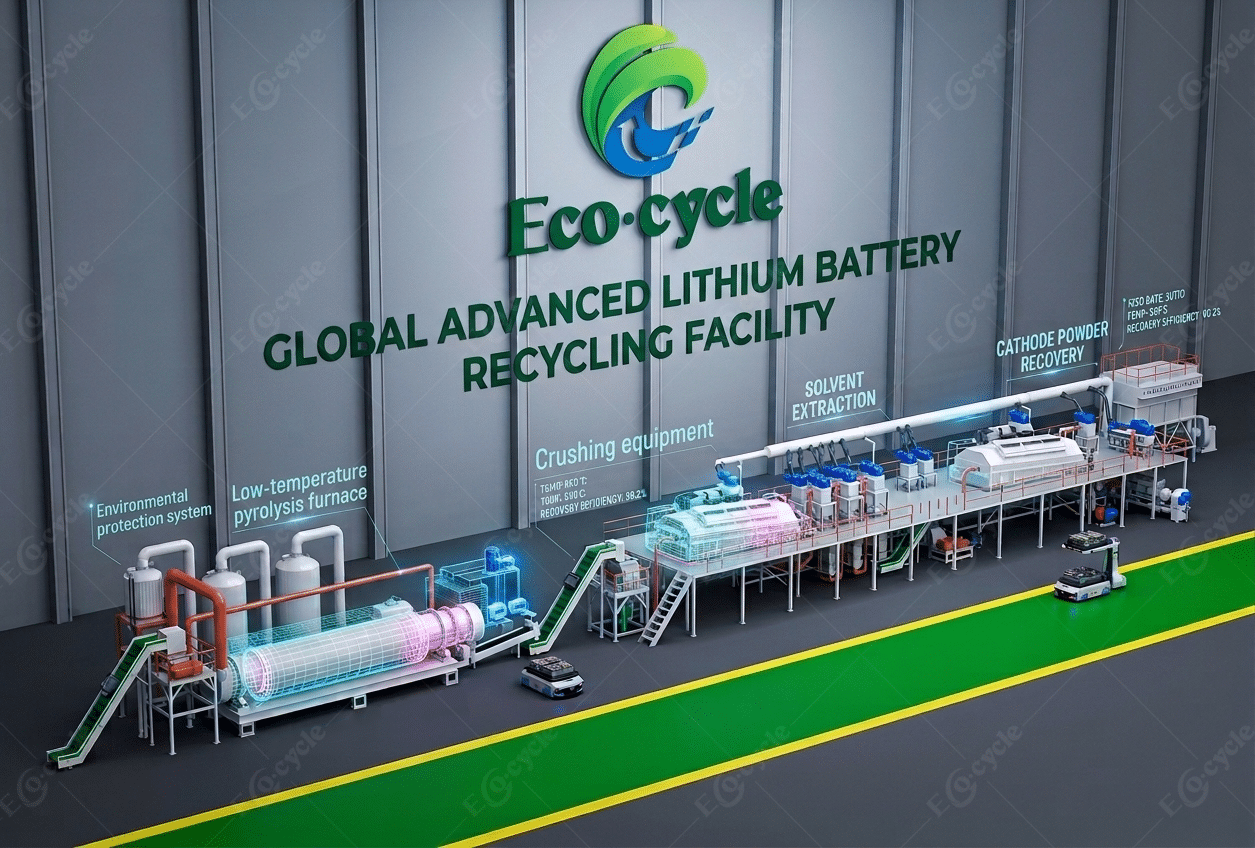
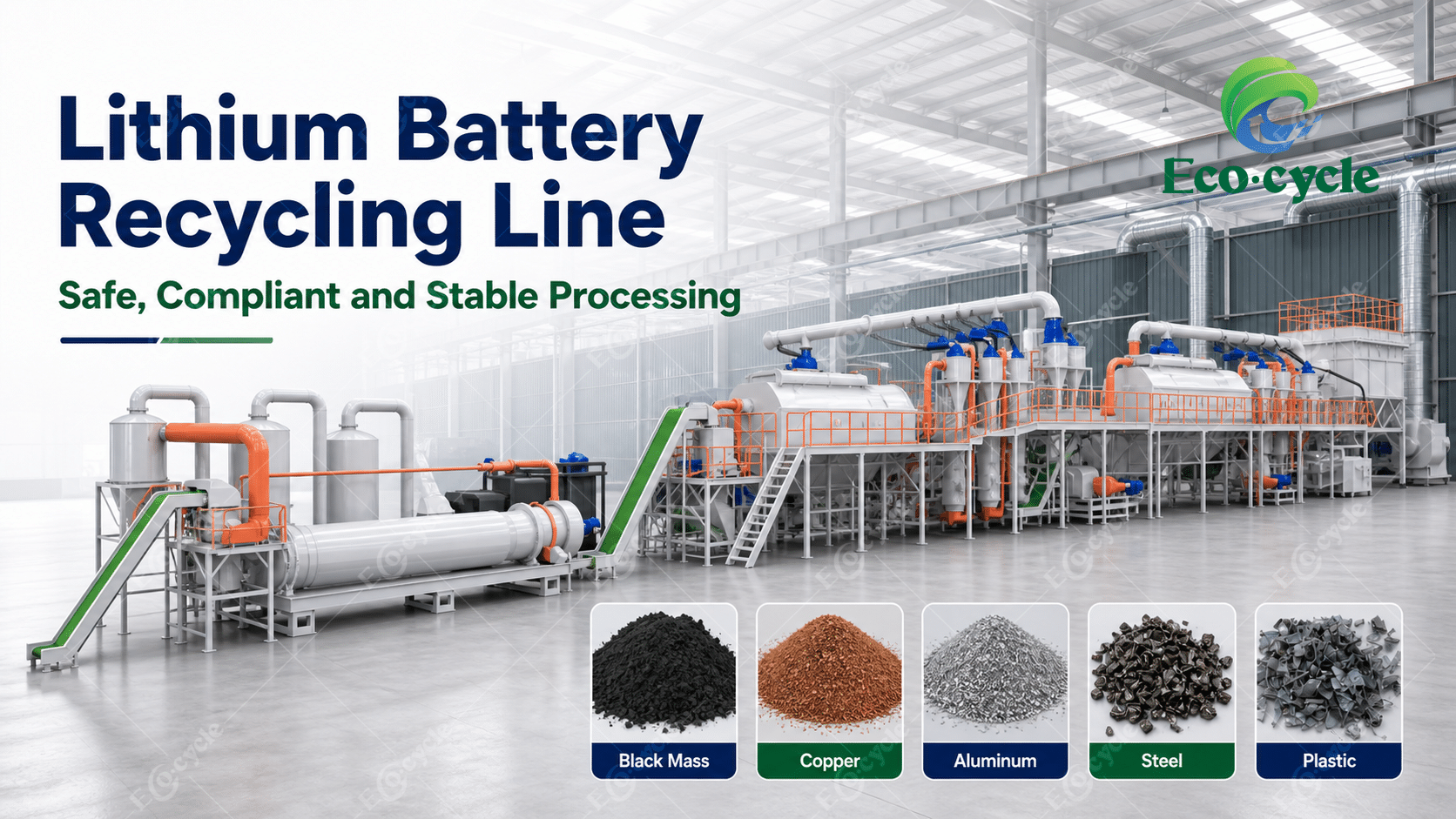
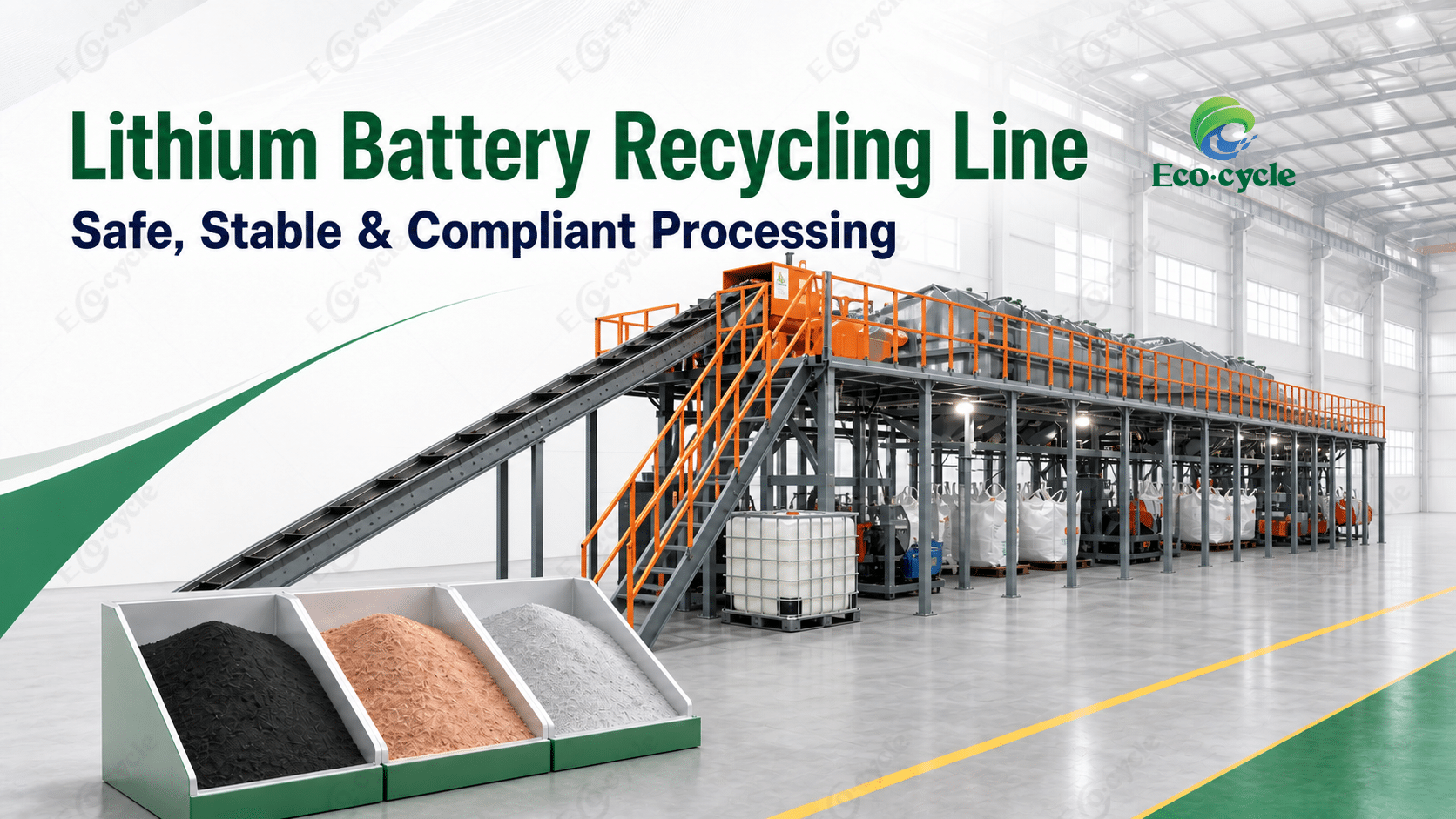
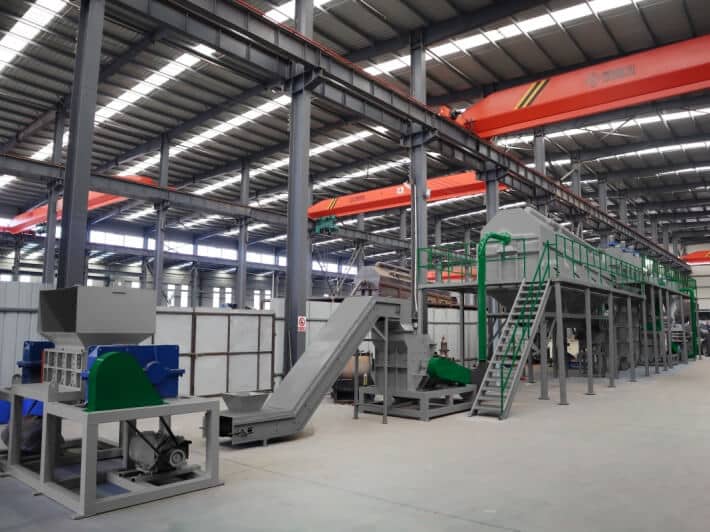
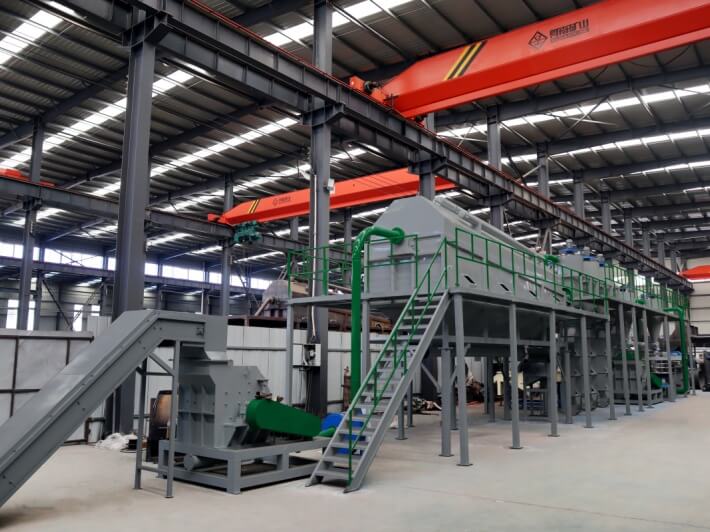
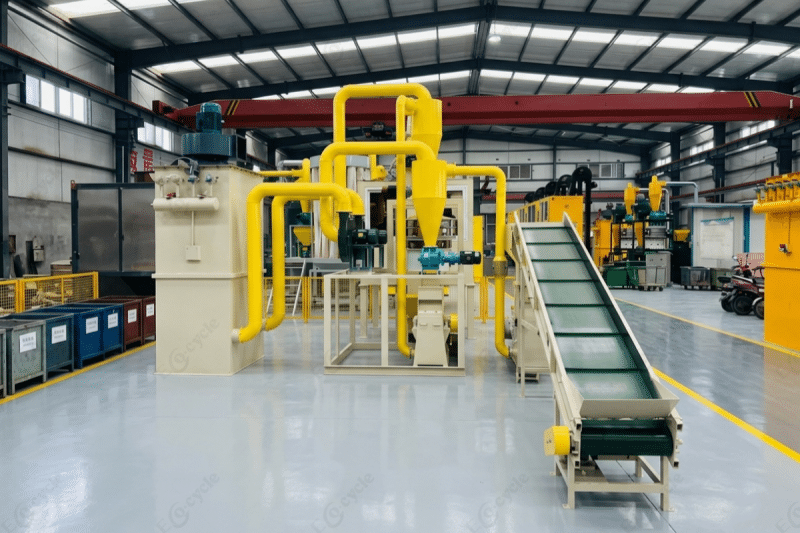
A stable lithium-ion battery recycling production line typically needs to cover stages such as safe discharge, sorting and pre-treatment, crushing, separation, black powder collection, copper and aluminium recovery, and dust and exhaust gas treatment. For LFP and energy storage battery recycling projects, the design of the solution should prioritise the scale of raw materials, processing costs, equipment stability and subsequent material utilisation pathways.
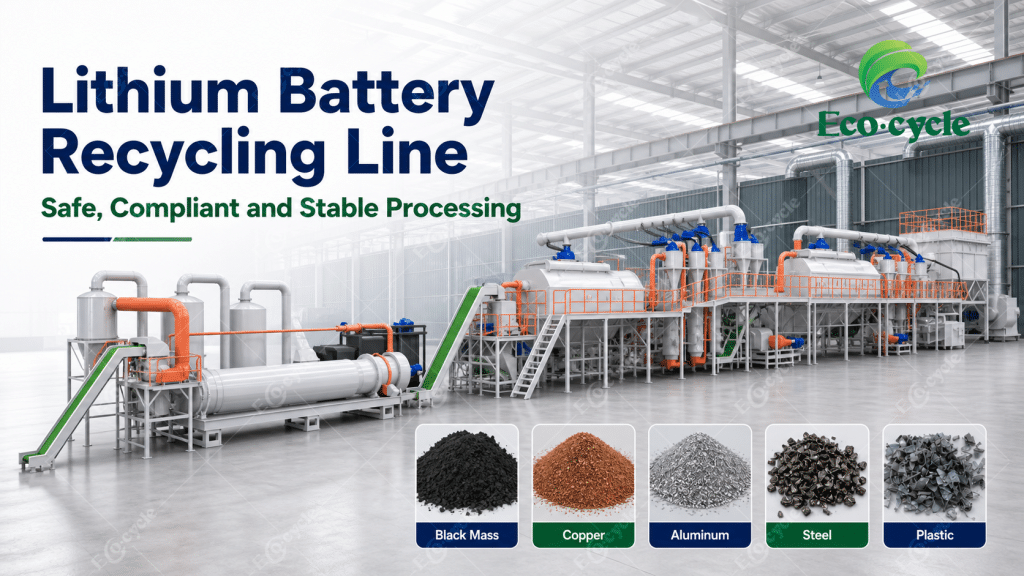
ECOCYCLE can provide lithium-ion battery recycling production line solutions tailored to clients’ feedstock types, target production capacity, plant conditions and recycling objectives, assisting clients in evaluating processing methods for different battery systems such as LFP, NMC and LCO.
If you are planning a lithium-ion battery recycling project, please feel free to contact us to discuss recycling solutions suited to your feedstock and production capacity requirements.