The Industrialization of LFP Battery Recycling
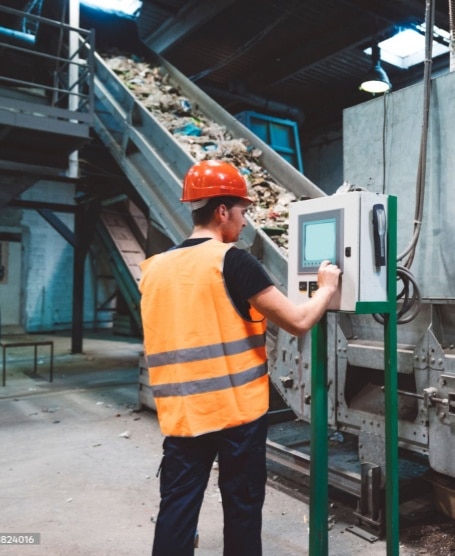
As the adoption of LFP (lithium iron phosphate) batteries grows in the electric vehicle (EV) and energy storage sectors, LFP battery recycling is transitioning from technical validation toward full-scale industrialization.

In October 2026, NEU Battery Materials announced the completion of a new funding round, aimed at scaling up its LFP recycling plants and modular recycling technology. This development underscores the industry’s increasing focus on LFP feedstock sourcing and lithium recovery—though the ultimate commercial viability will depend on actual operational performance data.
A report on the circular economy, published by India’s NITI Aayog, also specifically addresses issues related to Extended Producer Responsibility (EPR), chemical composition verification, and the economic feasibility of LFP battery recycling.
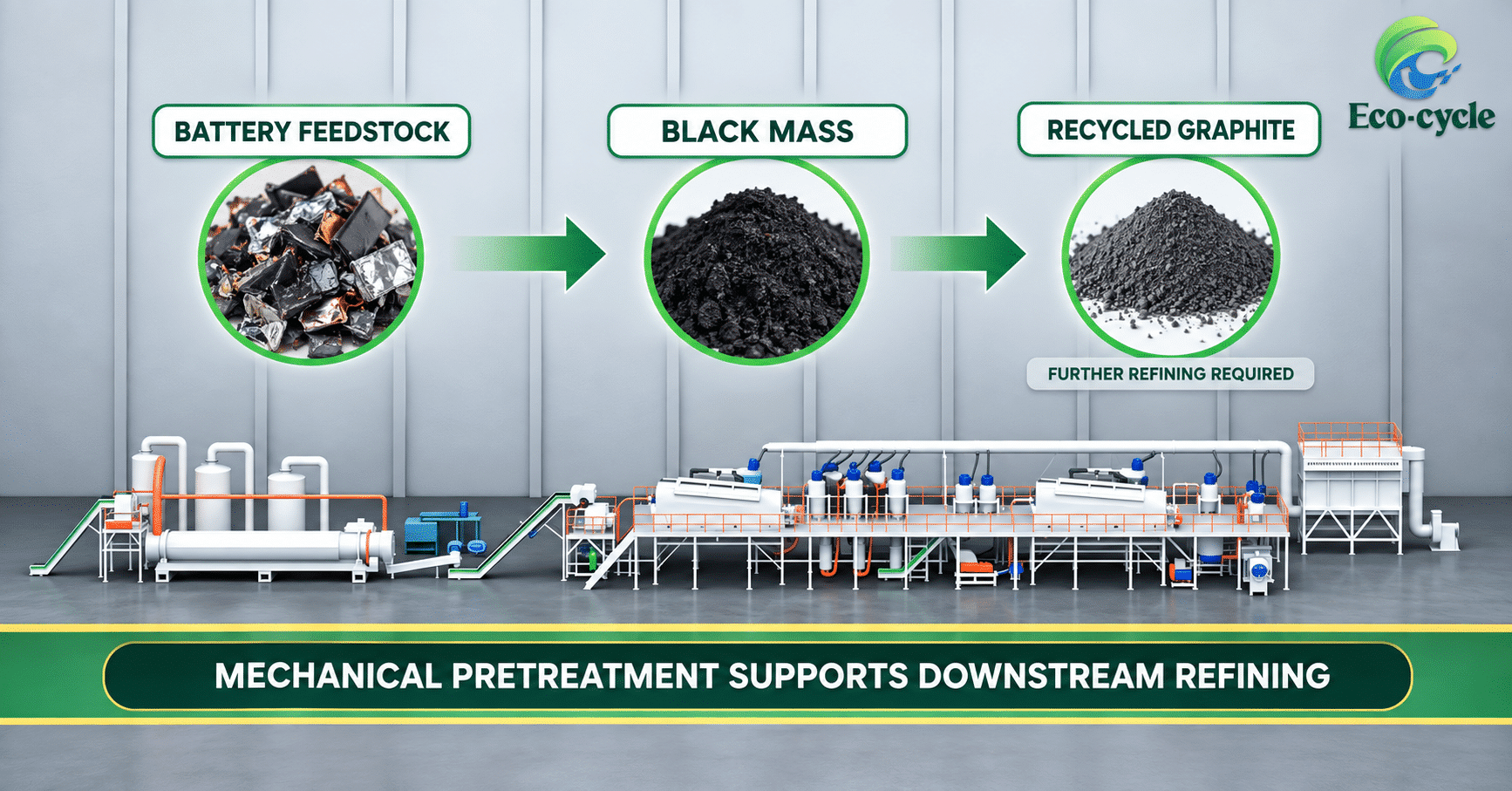
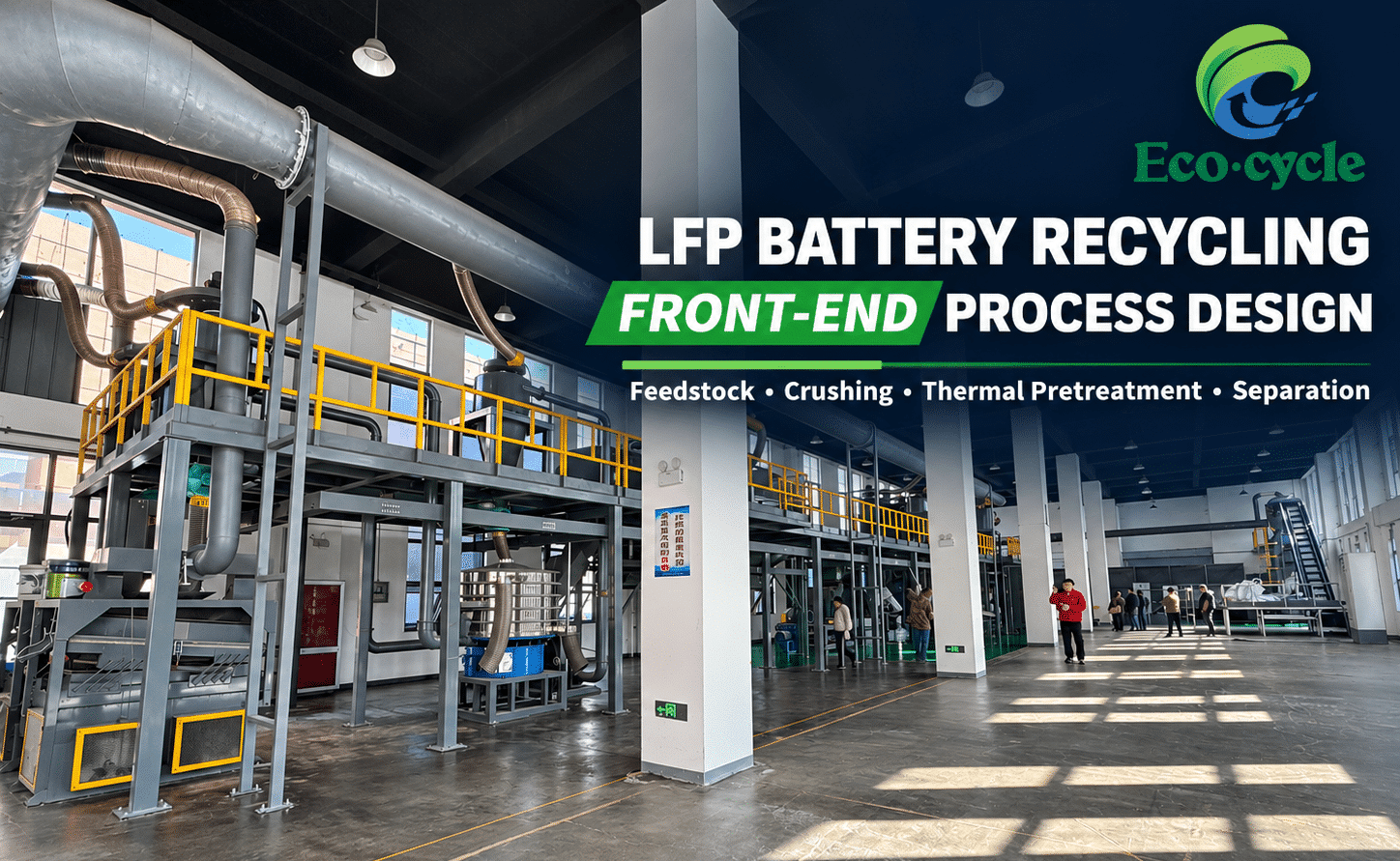
These industry shifts indicate that LFP recycling lines cannot simply replicate those designed for NMC (nickel manganese cobalt) batteries; front-end equipment must be tailored to the specific feedstock and desired output.
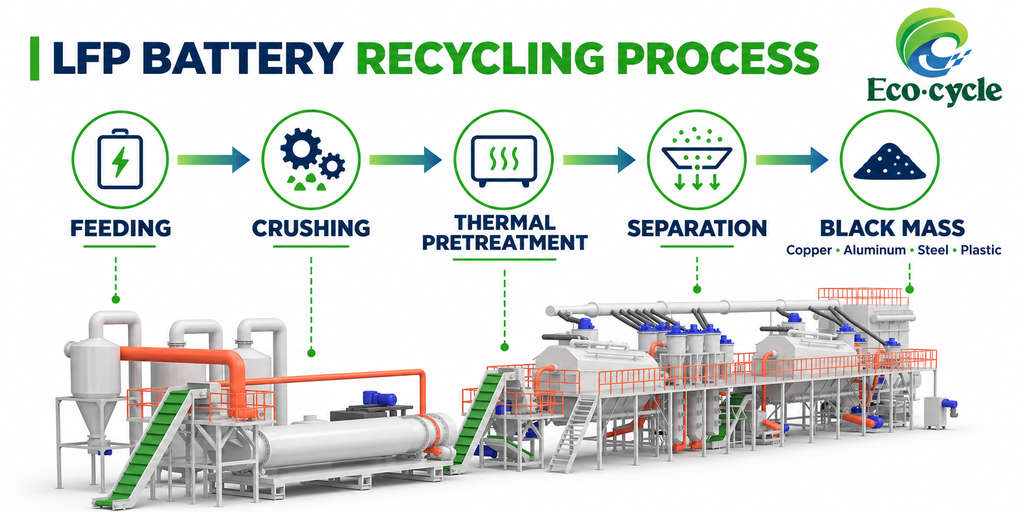
The evolution of the LFP recycling market creates new opportunities for lithium-ion battery recycling projects, while simultaneously imposing more rigorous requirements for feedstock management, front-end processing, and the quality of downstream products.
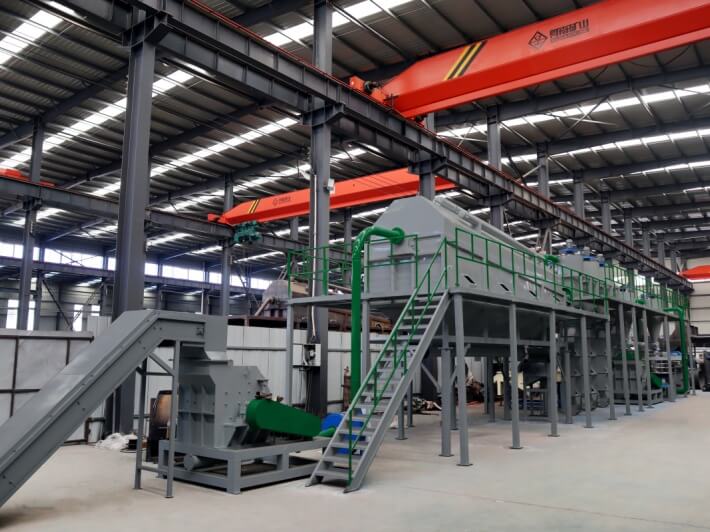
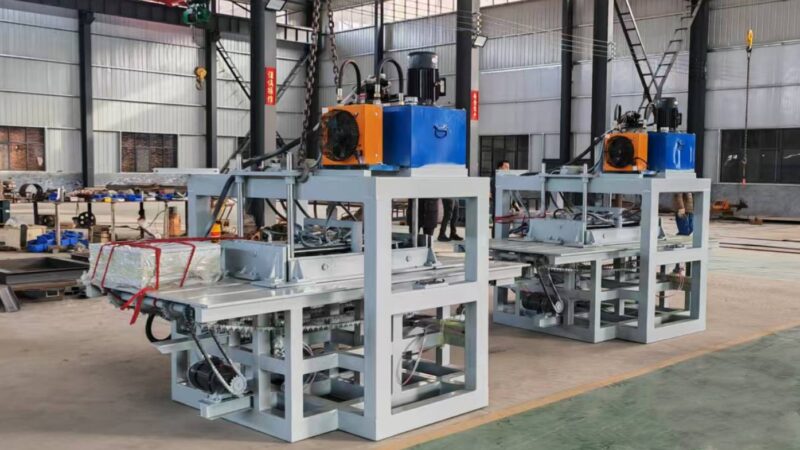
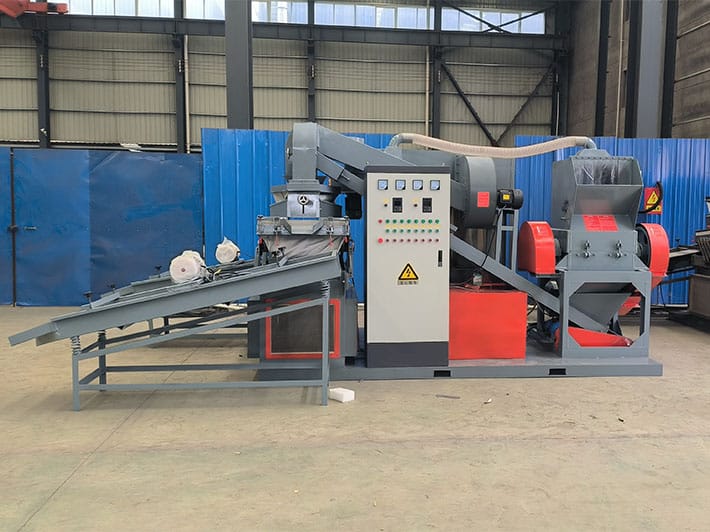
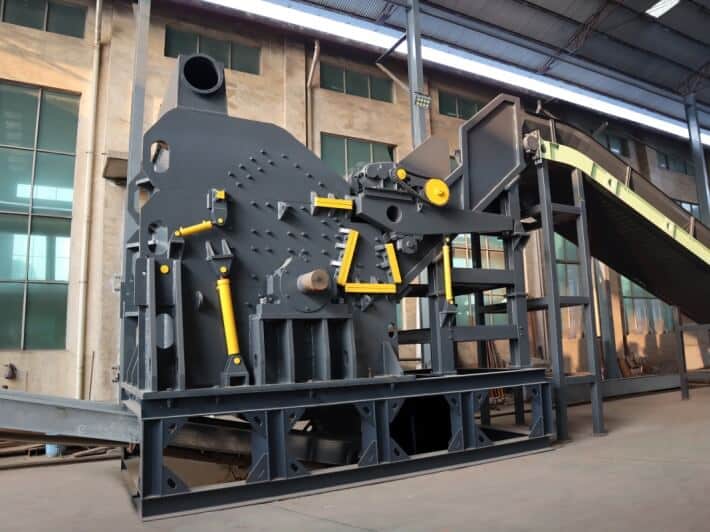
An effective LFP recycling solution should be developed based on feedstock characteristics, target outputs, and site conditions—informing the selection of processes such as crushing, thermal pretreatment, separation, and environmental control.
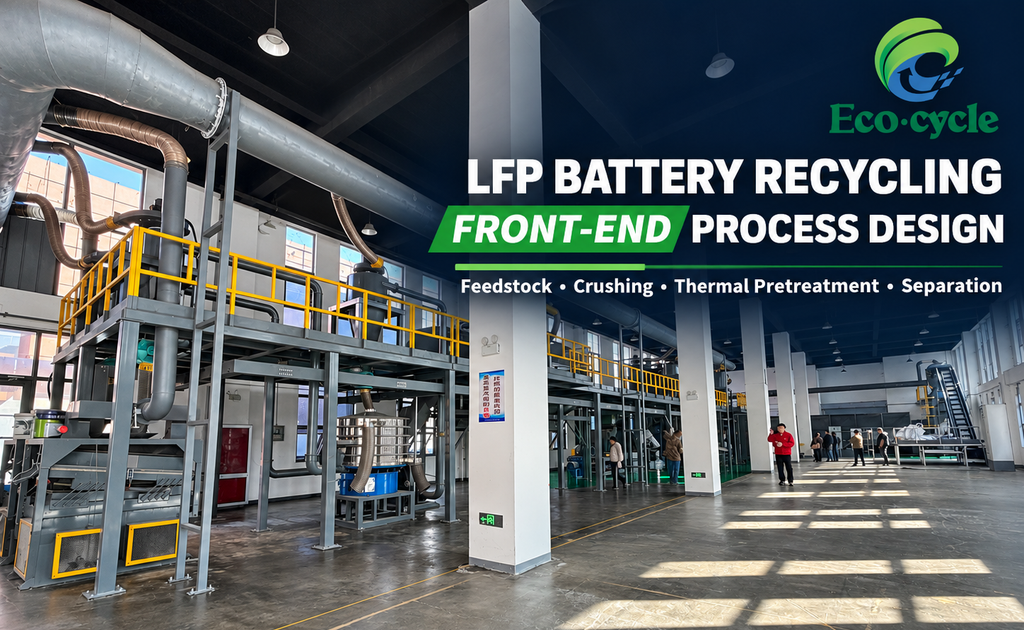
If you are planning an LFP battery recycling line, please reach out to ECOCYCLE with details regarding your feedstock type, required capacity, and target products. Let’s begin the discussion based on your specific project requirements.
FAQ
While some equipment may be interchangeable, the complete configuration must be evaluated based on the specific feedstock, battery chemistry, product requirements, and downstream processing routes.
Not necessarily. Whether it is required—and which method should be chosen—depends on factors such as the electrolyte, binder, material liberation, environmental control, and downstream product specifications.
It is recommended to provide representative feedstock samples, along with documentation on the battery chemistry, state of charge (SoC), impurity composition, and target product specifications.
It is also necessary to verify the quality of the black mass, its batch-to-batch consistency, its classification, and the subsequent downstream material recovery pathways.