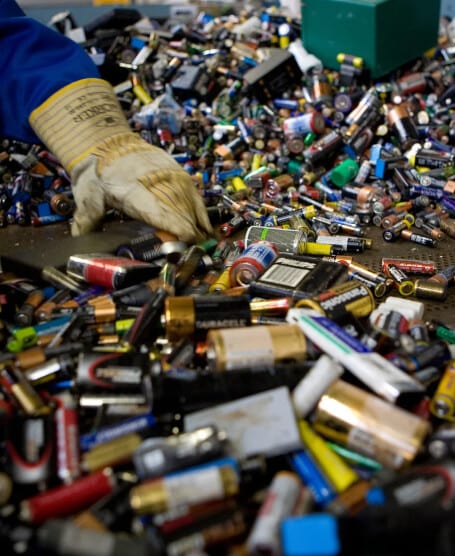
Recent developments have introduced two significant changes regarding the management of spent lithium-ion batteries and “black mass.”
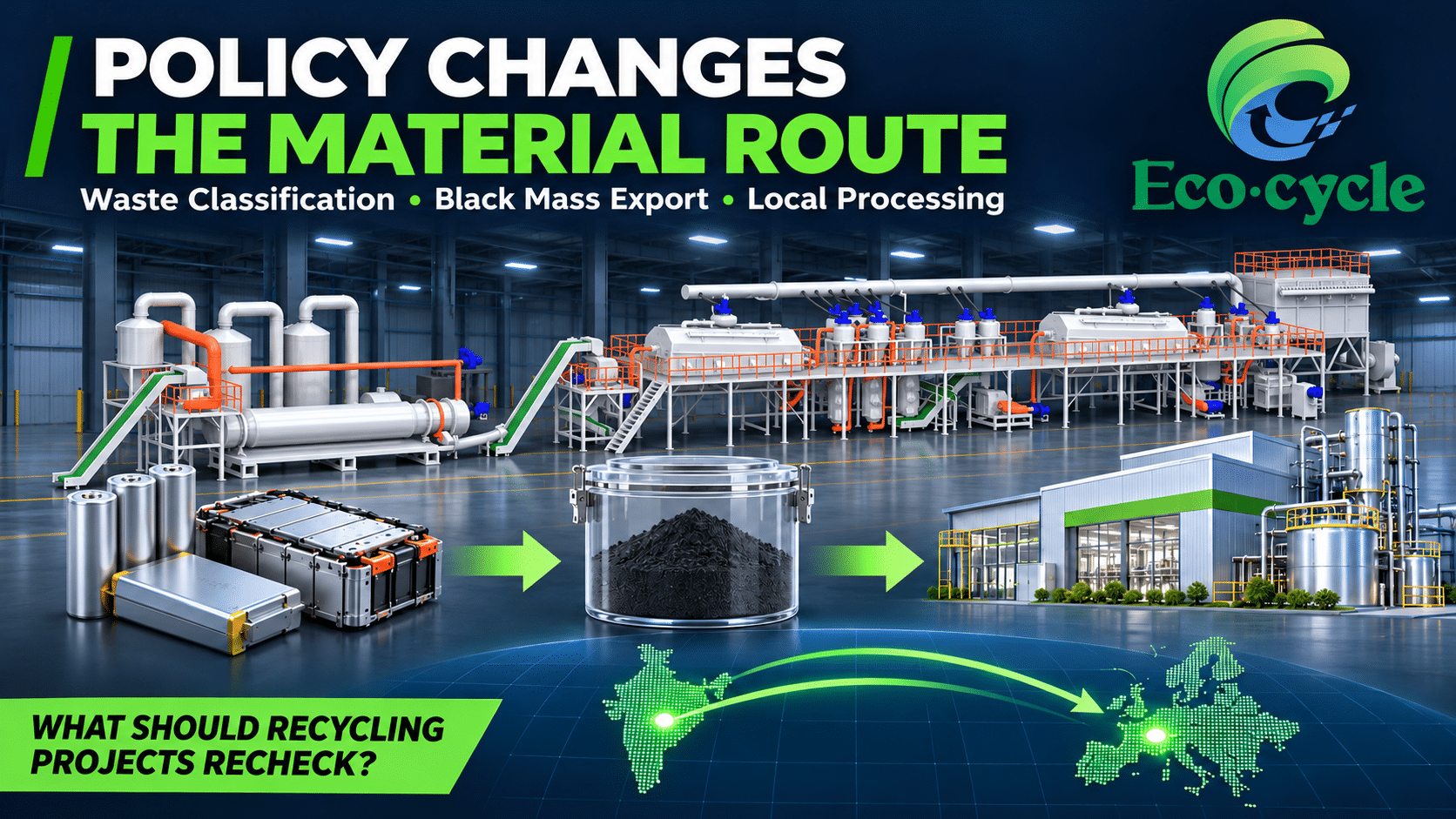
On November 10, 2026, India’s Directorate General of Foreign Trade (DGFT) shifted the export policy for certain types of lithium-ion battery black mass from “free” to “prohibited,” a move intended to bolster domestic critical mineral recovery and local processing.
Additionally, new European Union waste codes for batteries—which include specific hazardous waste classifications for spent lithium-based batteries collected separately from municipal waste streams—came into effect on November 9, 2026.
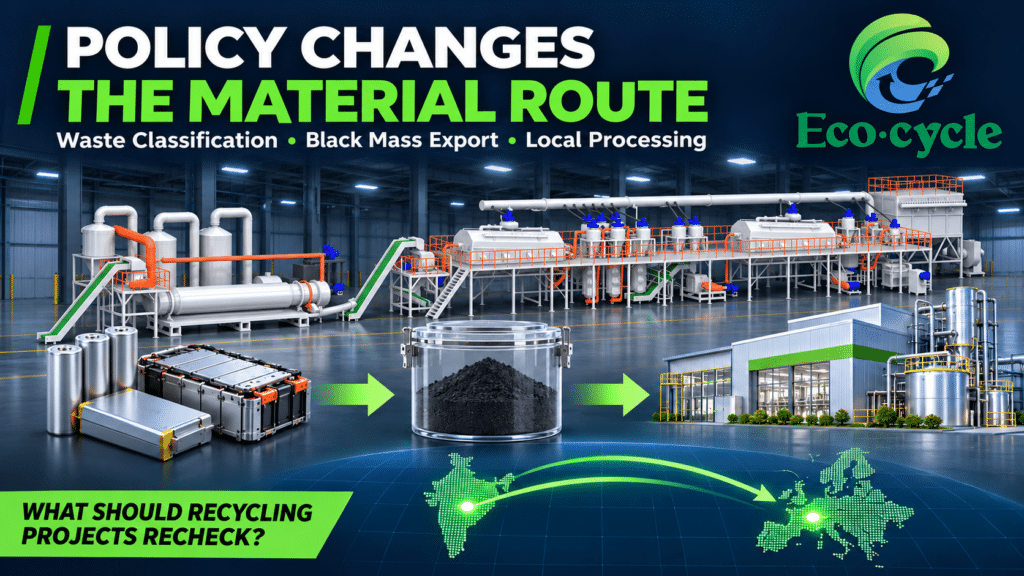
While these two policies differ in scope, they serve as a collective reminder for recycling projects: before finalizing equipment configurations, it is essential to determine how materials are classified, where they will be processed, and who will receive them.
What should projects re-evaluate?
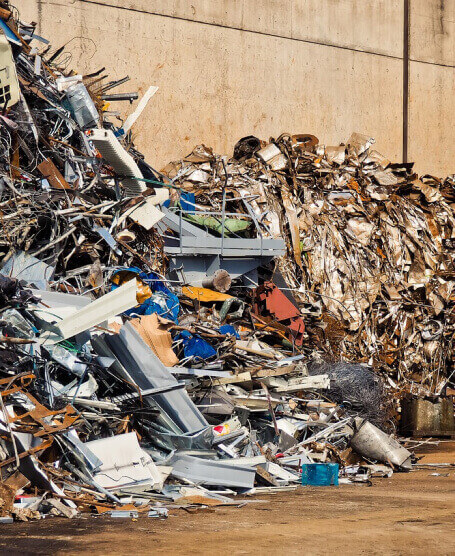
First, it is necessary to clearly define the feedstock source, battery chemistry, material form, state of charge (SoC), and the applicable waste classification.
Second, the downstream route for black mass must be established in advance, including:
- Whether further processing will take place locally;
- The specific material requirements (specifications) of the downstream processor;
- Whether firm offtake agreements are already in place;
- How sampling, packaging, and storage should be designed.
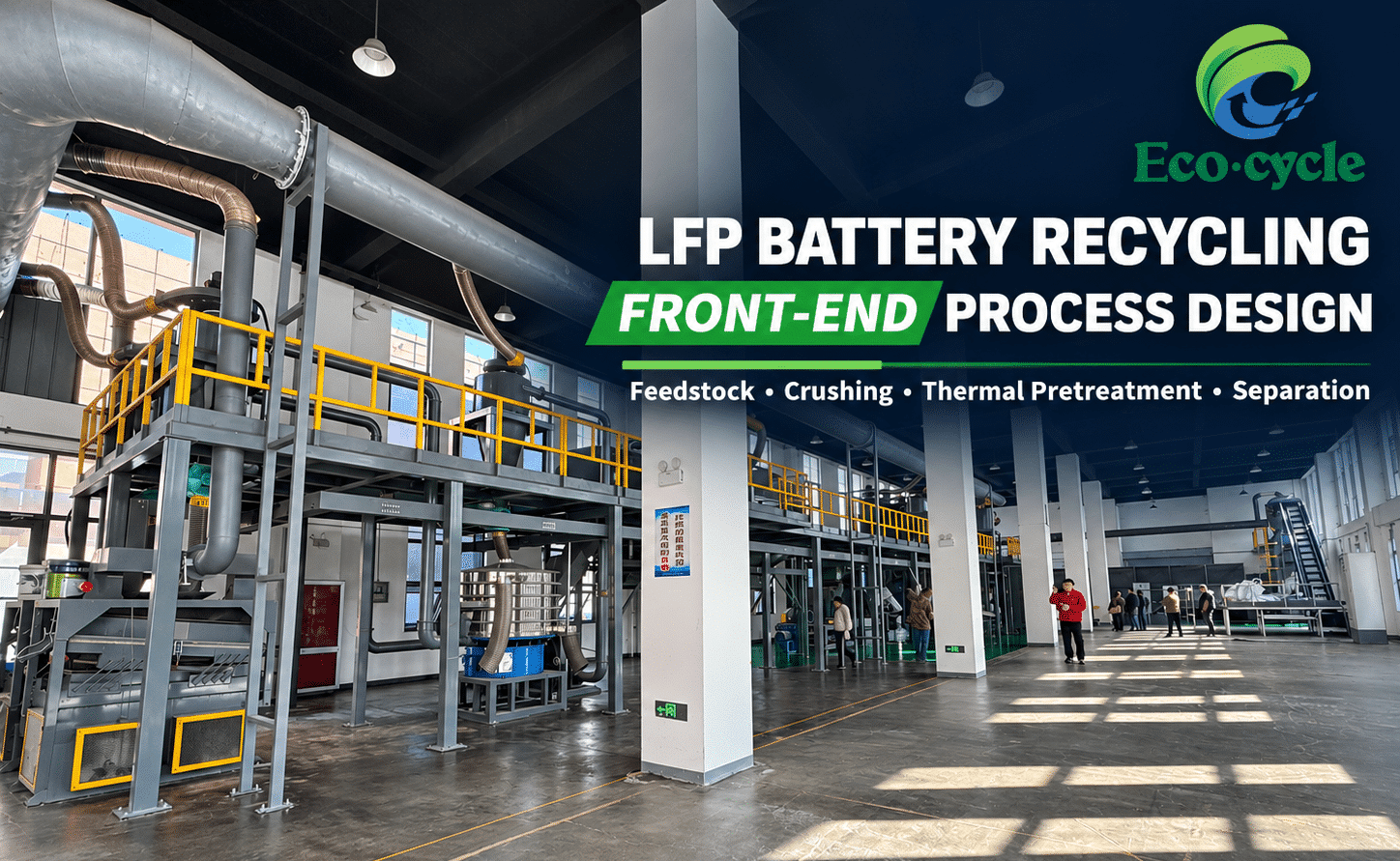
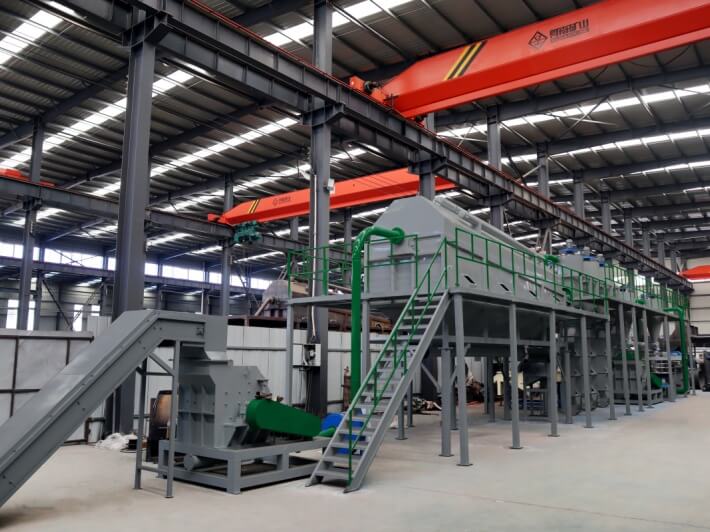
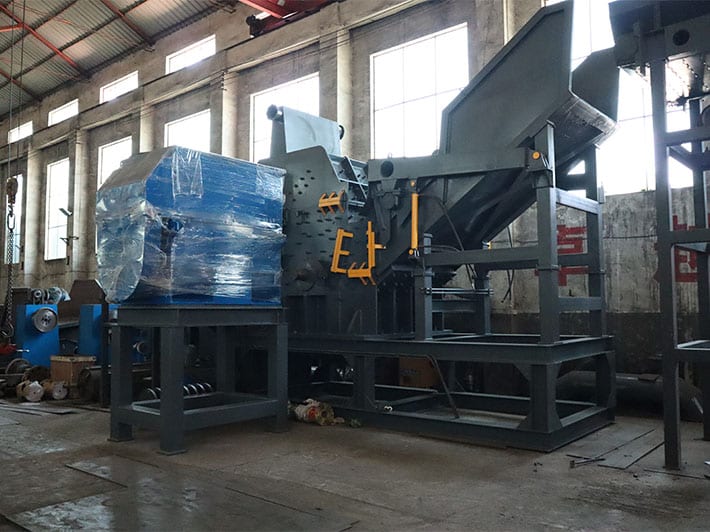
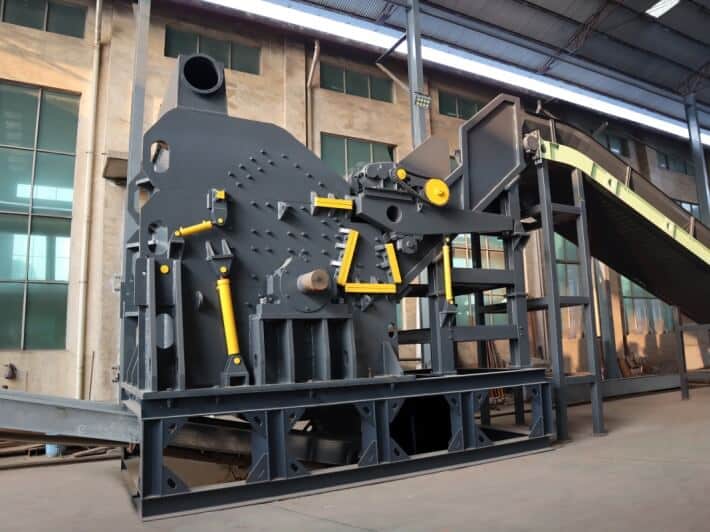
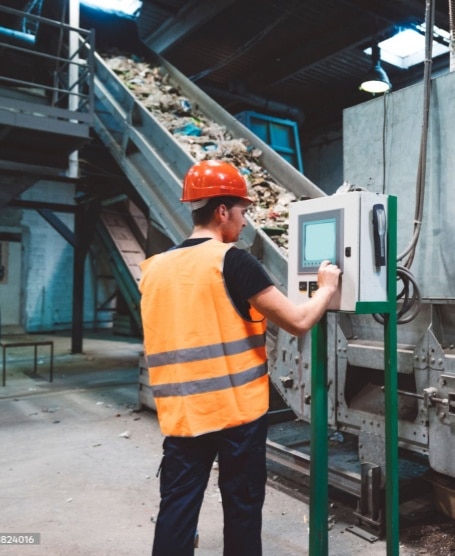
These factors will directly influence the design of the production line—impacting feeding, crushing, separation, environmental control systems, and discharge methods.
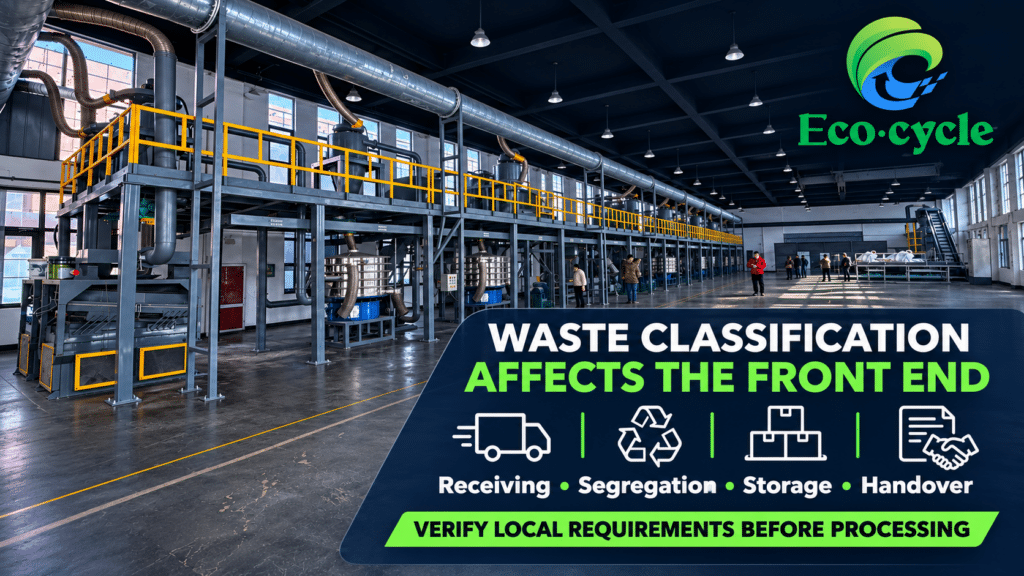
For equipment manufacturers, these policy shifts may drive demand for expanded local recycling capacity and facility upgrades. However, increasing capacity does not guarantee project success; production lines must remain precisely aligned with the actual feedstock and the requirements of downstream recipients.
ECOCYCLE provides expert support in evaluating process design and equipment configurations for lithium-ion battery recycling lines, tailored to specific feedstock types, target capacities, desired output, and facility conditions.
FAQ
Q: Does Indian policy prohibit the export of all waste lithium-ion batteries?
A: No. The official notification specifically concerns “Lithium-ion Battery Black Mass,” classified under ITC(HS) Code 85491400. Companies should verify the scope of applicability based on the actual material, the latest policy updates, and guidance from the relevant regulatory authorities.
Q: Does the European Union categorize all waste lithium-ion batteries as the same type of hazardous waste?
A: It is not that simple. The EU has updated several waste codes related to batteries, including those for waste lithium-based batteries collected separately from municipal waste streams. Precise classification depends on the source, the state of the material, and local implementation requirements.
Q: Can equipment suppliers determine the waste classification?
A: No. Waste classification and permitting must be determined by local regulatory authorities or a professional environmental consultant. Once the classification and management requirements are established, equipment suppliers can then adapt the process design and facility layout accordingly.
Q: Why is it necessary to confirm downstream off-take arrangements before purchasing equipment?
A: Downstream processors often have specific requirements regarding composition, moisture content, particle size, impurity levels, and packaging. These requirements directly influence the design of upstream processes, including crushing, screening, separation, sampling, and discharge systems.
GET IN TOUCH