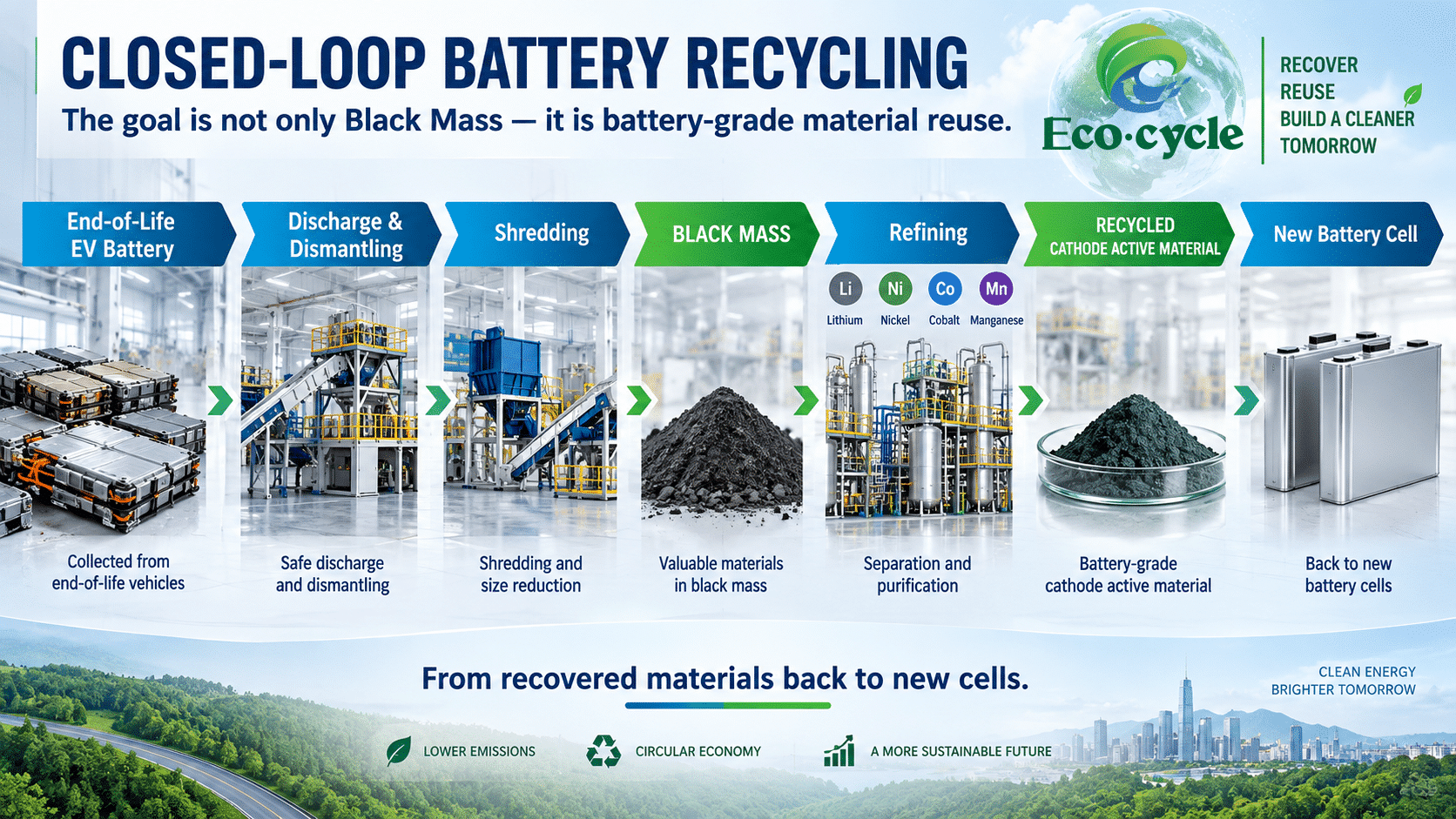
The lithium-ion battery recycling industry is evolving beyond the mere production of “black mass” toward a more complete material closed-loop system; the ability to reintroduce recycled materials into new batteries is becoming a critical area of validation.
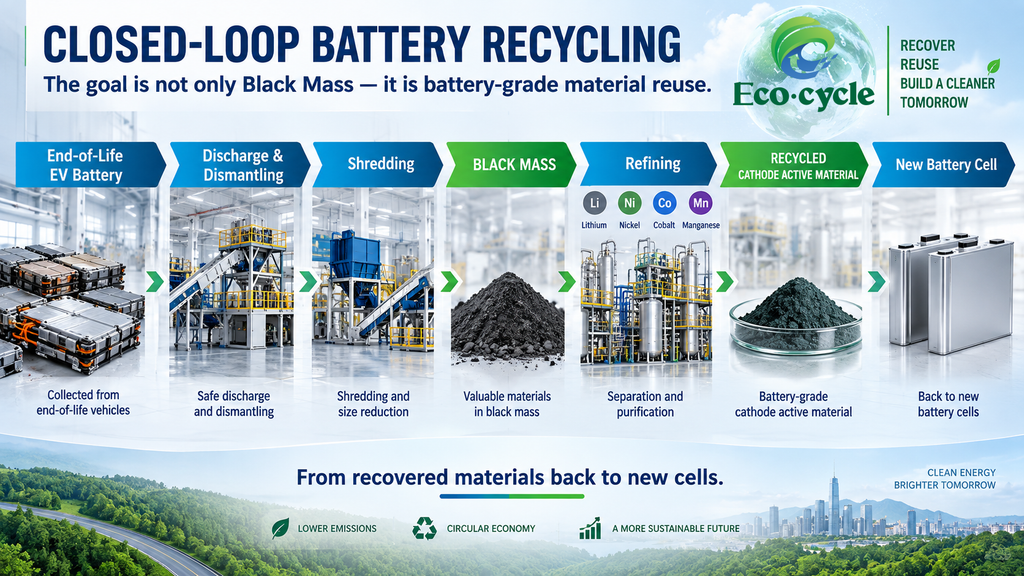
On September 17, 2026, Porsche announced new progress in its closed-loop high-voltage battery recycling project. Porsche, together with partners such as the German recycling company cylib, has produced cathode active material using lithium, nickel, cobalt, and manganese recovered from retired high-voltage batteries and used this material to manufacture test cells. These cells are currently undergoing operational testing.
It is important to note that Porsche’s reference to “100% recycled” applies specifically to the raw materials used for the cathode active material; it does not imply that every component of the entire battery cell is made from recycled material.
Black Mass Is Not the End of the Closed Loop
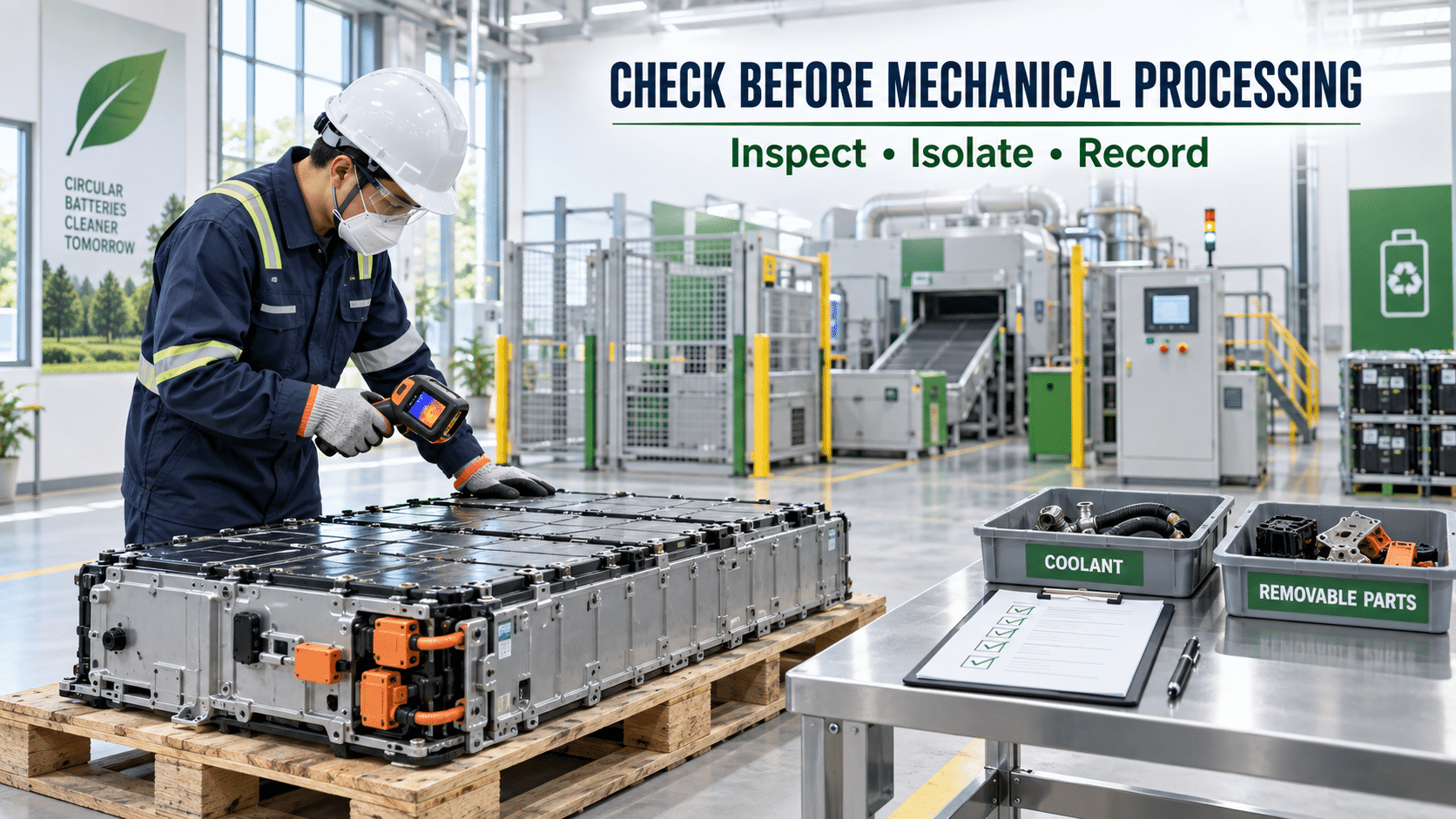
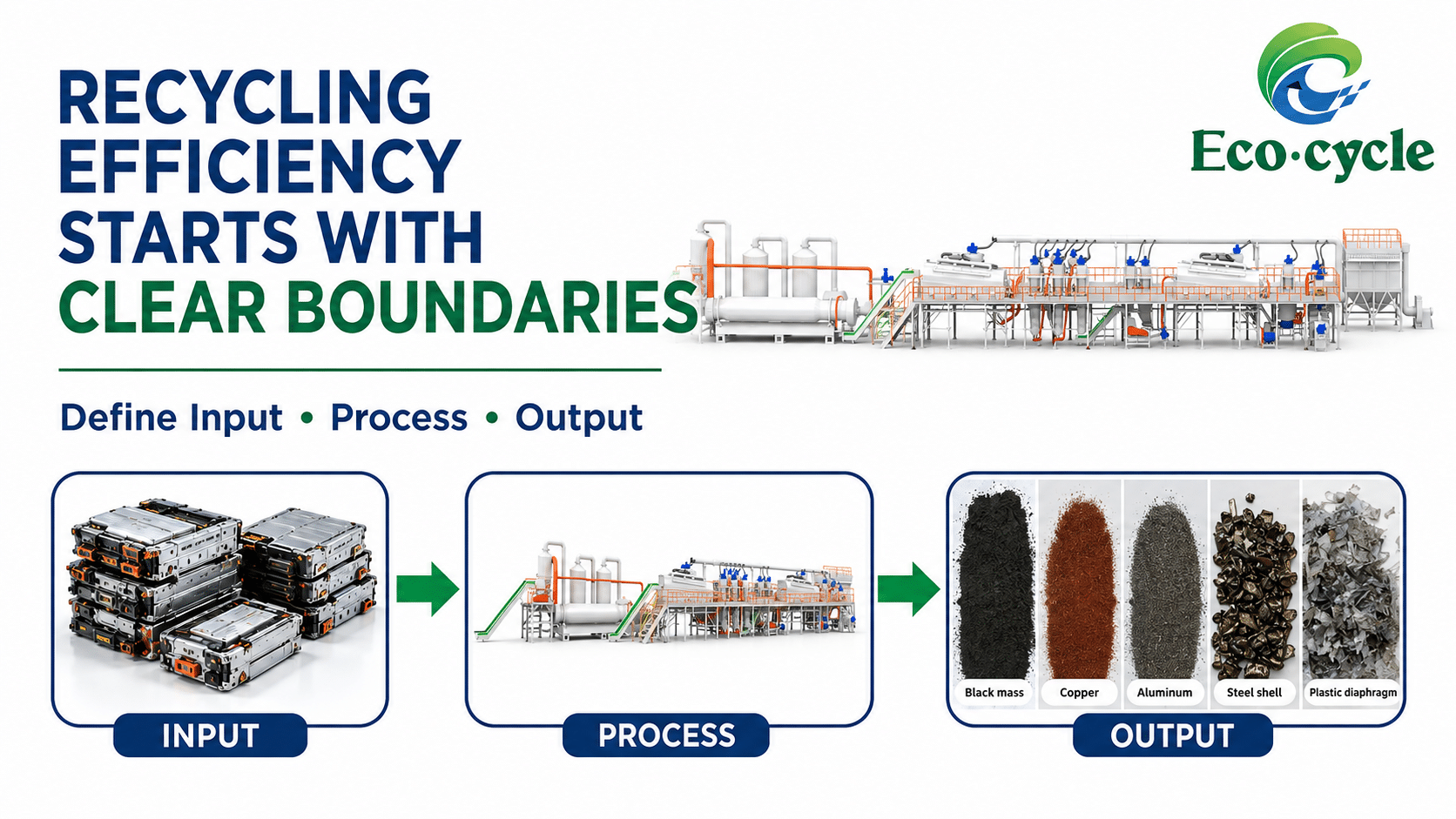
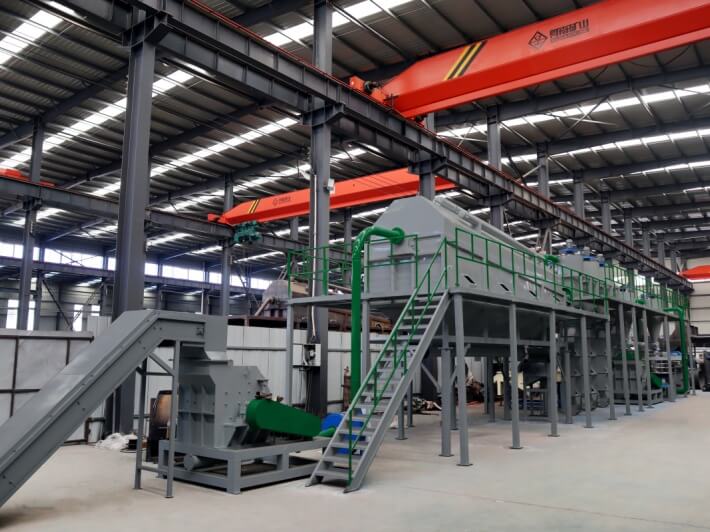
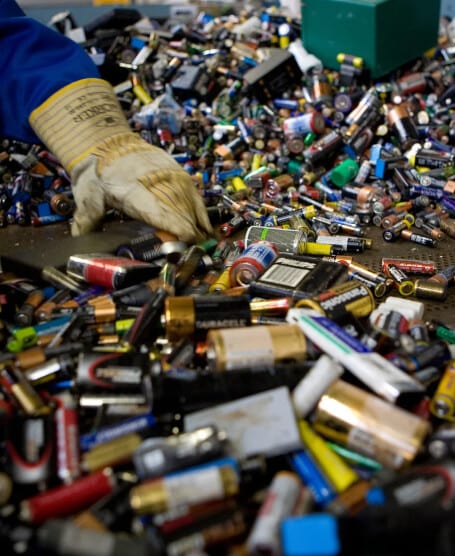
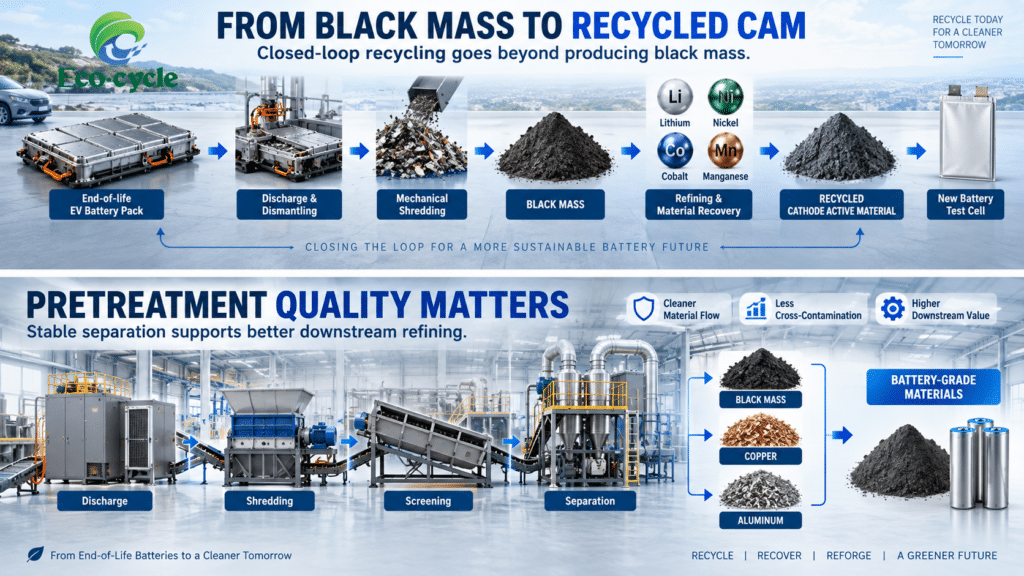
After retired lithium-ion batteries undergo discharging, dismantling, mechanical shredding, and sorting, the resulting outputs include black mass as well as materials such as copper and aluminum.
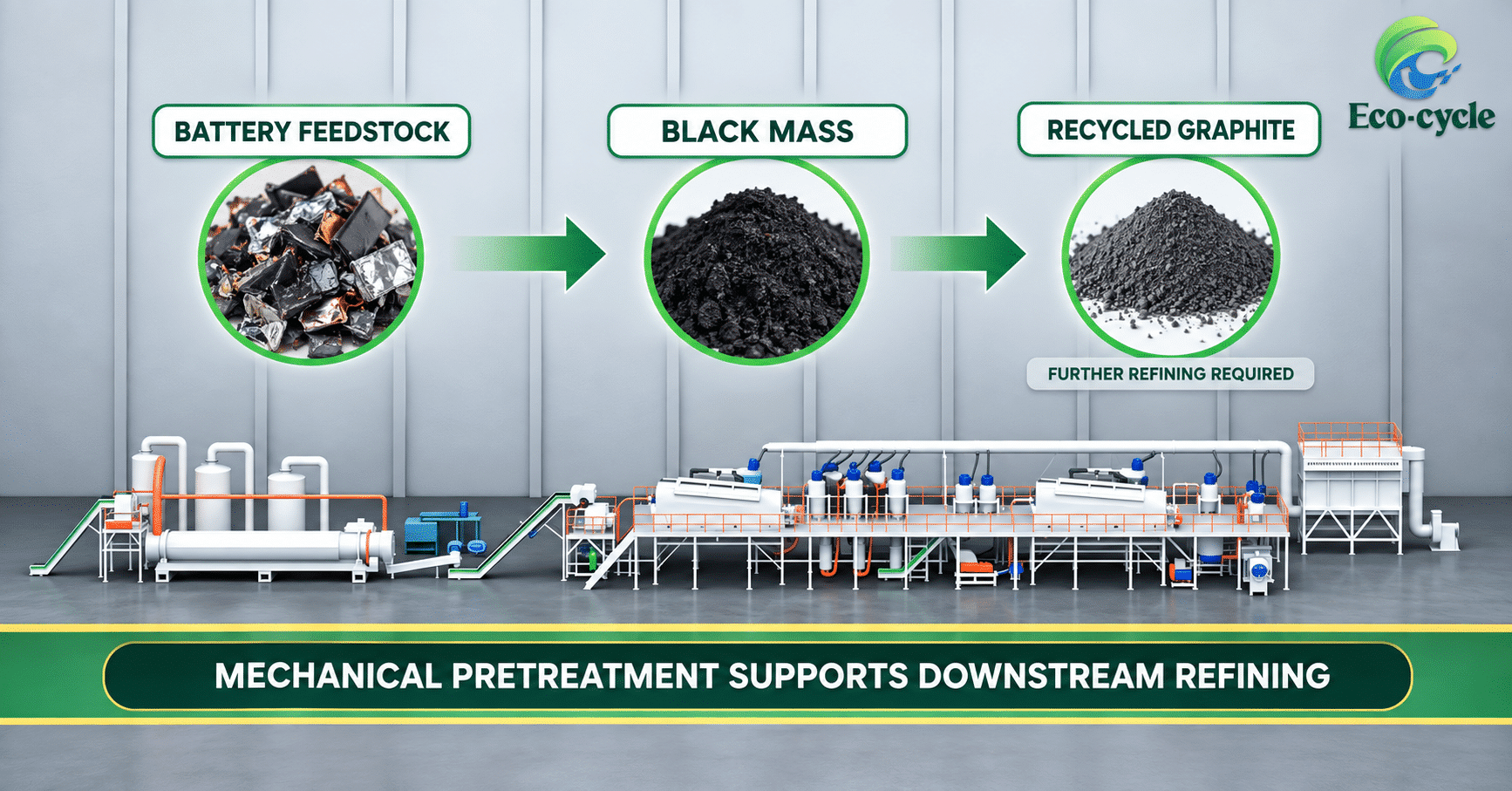
However, for true closed-loop recycling, black mass is merely a crucial intermediate product. Subsequent stages—including material extraction, refining, and regeneration—are required to produce materials that meet battery manufacturing specifications.
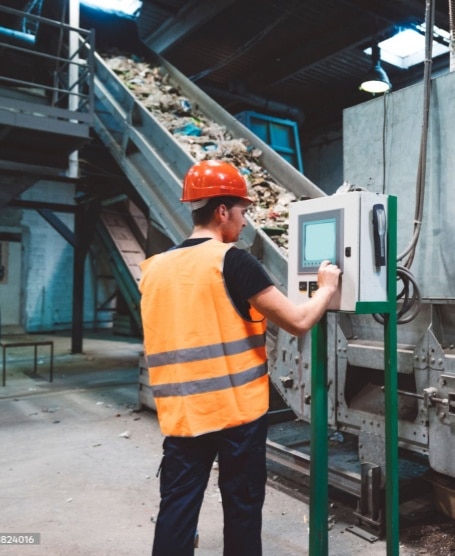
This implies that mechanical pre-treatment lines must focus not only on hourly battery processing throughput but also on material flow stability, the cross-contamination of copper/aluminum with fine powders, and the ability of the black mass to provide consistent feedstock for downstream refining processes.
The Industry Is Increasingly Focused on Material Recovery Quality
Porsche stated that retired high-voltage batteries collected from Porsche Centers in Germany have been entering the recycling process since May 2026, with plans to utilize the recovered materials in new battery production starting in 2028.
Meanwhile, in September 2026, the European Commission reaffirmed the applicability of existing battery recycling efficiency and material recovery targets. By 2030, the recycling efficiency target for lithium-based waste batteries is set at 70%; starting in 2027, specific material recovery rate requirements must also be met for critical materials such as lithium, nickel, cobalt, and copper.
This indicates that the competitive focus of future lithium-ion battery recycling projects will shift beyond the mere capability to shred batteries to the following:
The ability to consistently produce stable, well-defined output materials suitable for downstream material recovery processes. Based on battery form, raw material characteristics, target capacity, and downstream product requirements, ECOCYCLE assists in evaluating solutions for mechanical pretreatment, shredding, screening, and separation, thereby establishing a clearer front-end foundation for subsequent black mass processing.