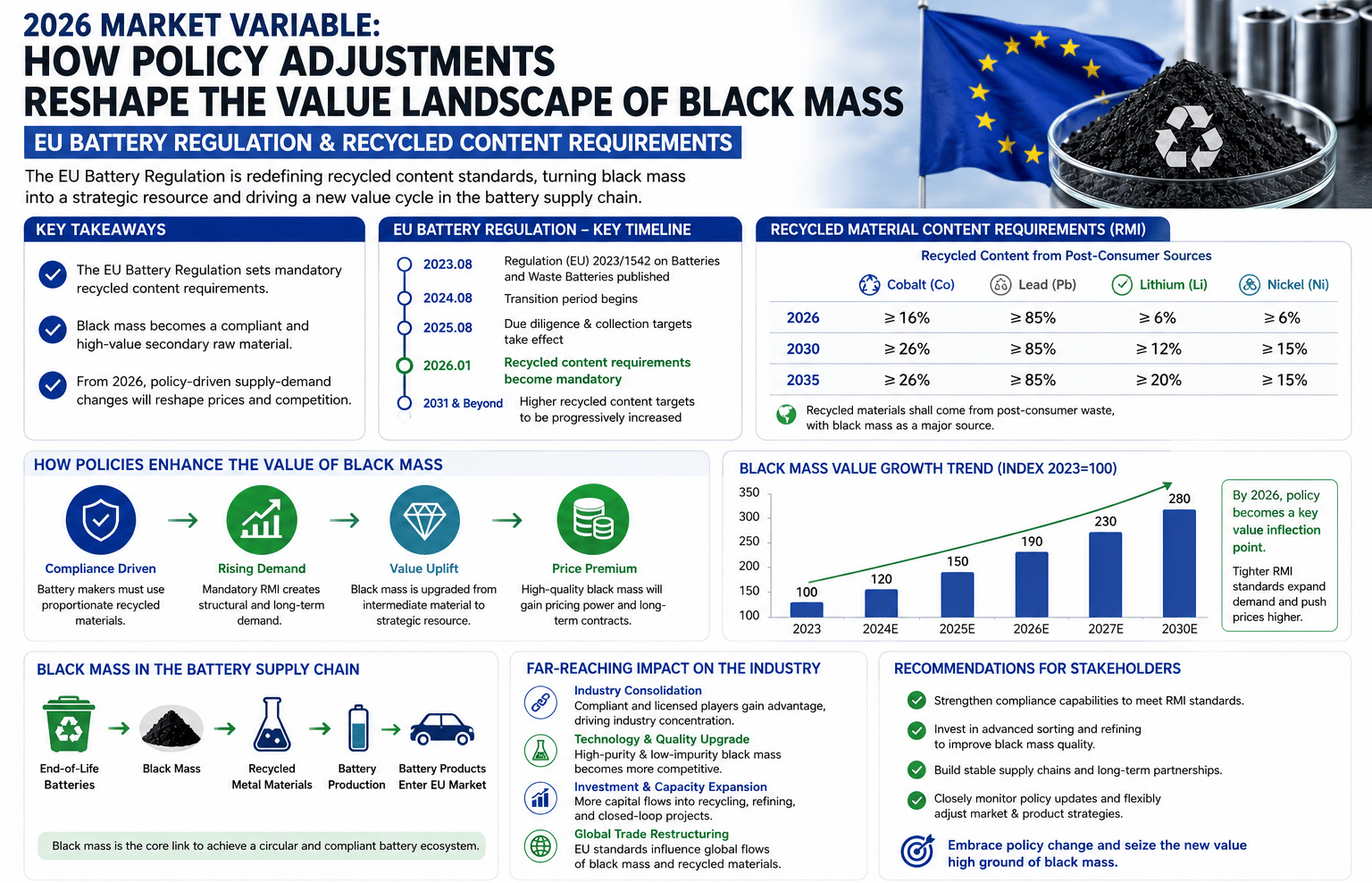
In the lithium-ion battery recycling industry, lithium, nickel, and cobalt have long been the primary focus. Now, the value of recovering graphite is also gaining recognition.
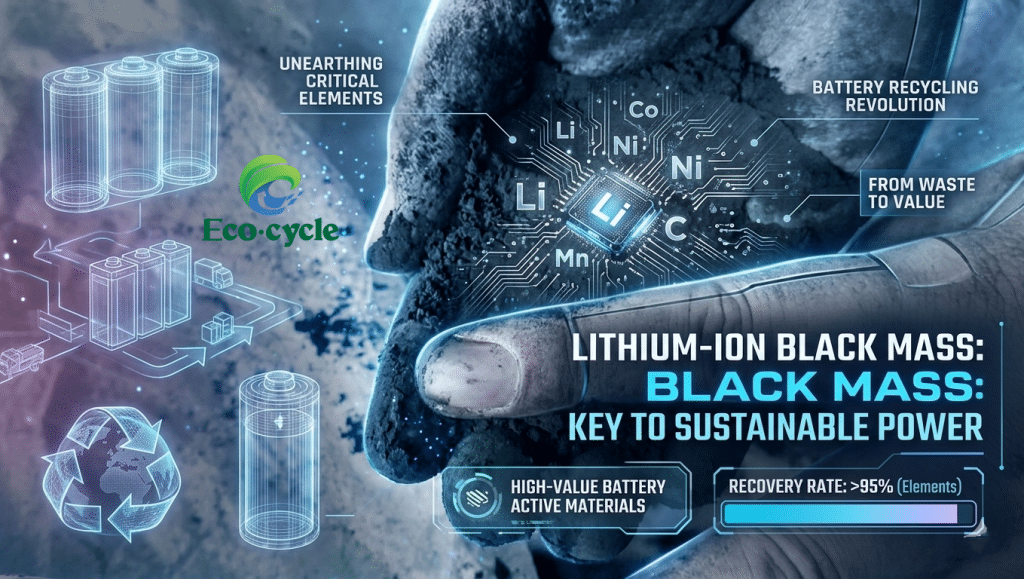
On September 15, 2026, Fortum Battery Recycling signed a non-binding memorandum of understanding (MoU) with Talga AB. The partnership aims to explore the further refining of graphite recovered from recycling operations for use in battery anode materials. Additionally, the two parties will evaluate the technical and commercial feasibility of using a blend of virgin and recycled graphite.
This collaboration signals a shift in the product focus of lithium-ion battery recycling, moving beyond traditional “black mass” toward more specialized material streams.
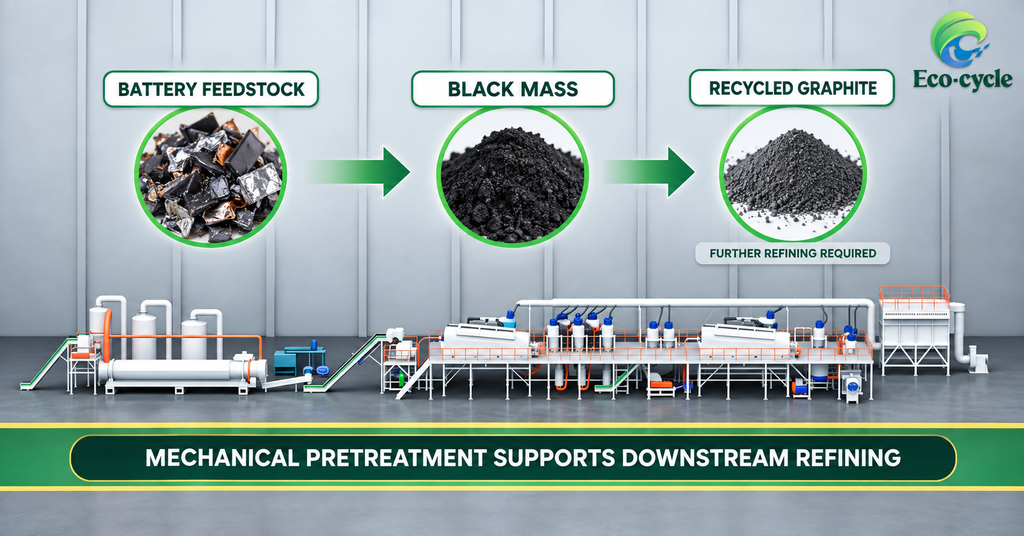
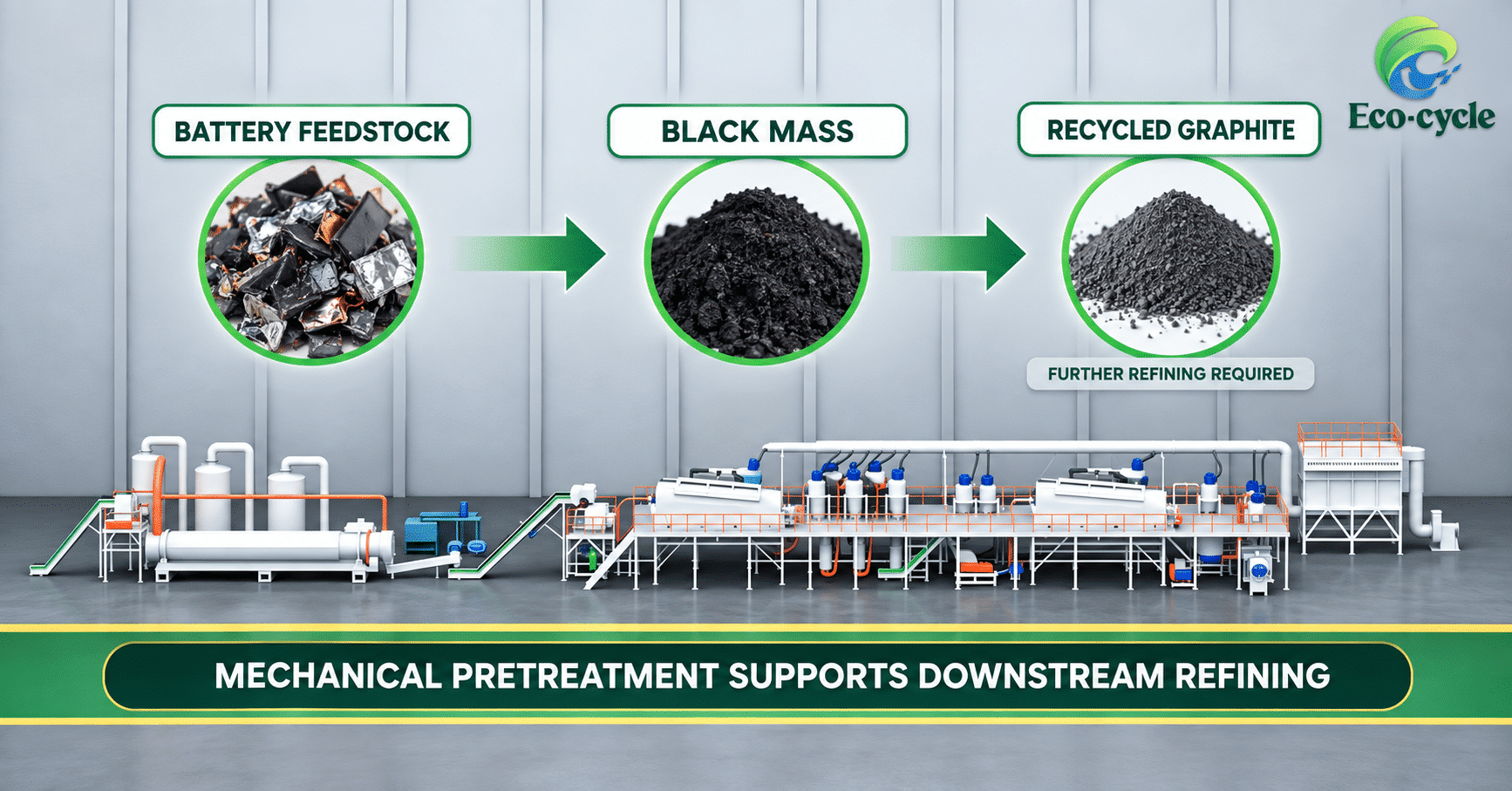
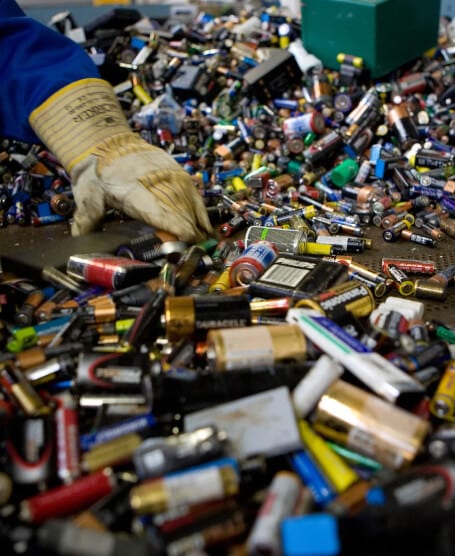
It is important to note that obtaining black mass from spent batteries is not equivalent to directly producing battery-grade graphite. Black mass typically contains cathode and anode active materials, binders, carbon, and trace metal impurities. The graphite requires further separation, purification, and performance validation to meet the requirements of downstream applications.
Therefore, when planning production lines for new recycling projects, the following factors should be clearly defined from the outset:
- Whether the downstream market requires black mass or graphite concentrate;
- How front-end sorting processes can minimize impurities such as copper and aluminum;
- How mechanical pre-treatment integrates with subsequent refining processes;
- Whether graphite recovery offers a stable market and economic viability.
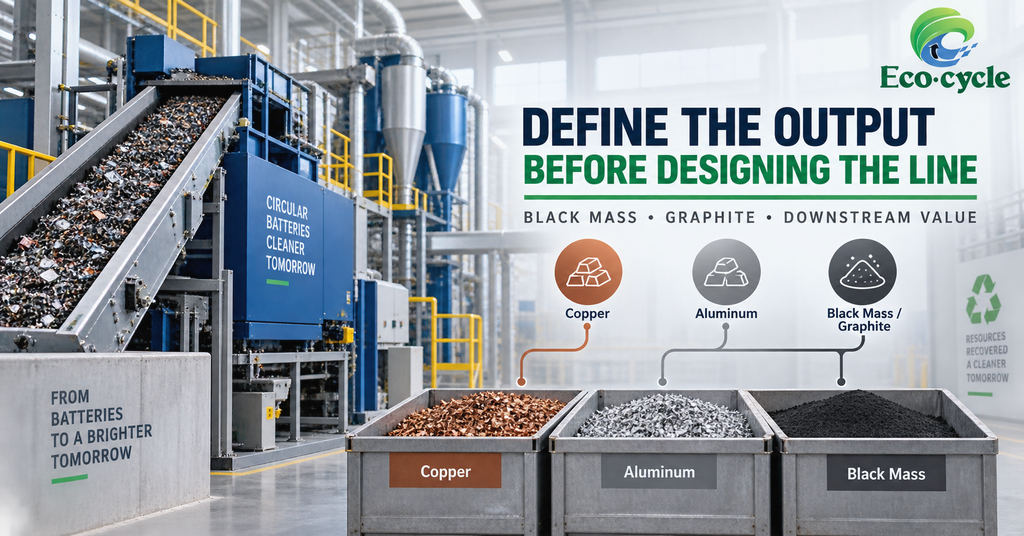
♻️ The value of lithium-ion battery recycling depends not only on processing volume but also on the specific materials ultimately recovered and the downstream value chains they enter.
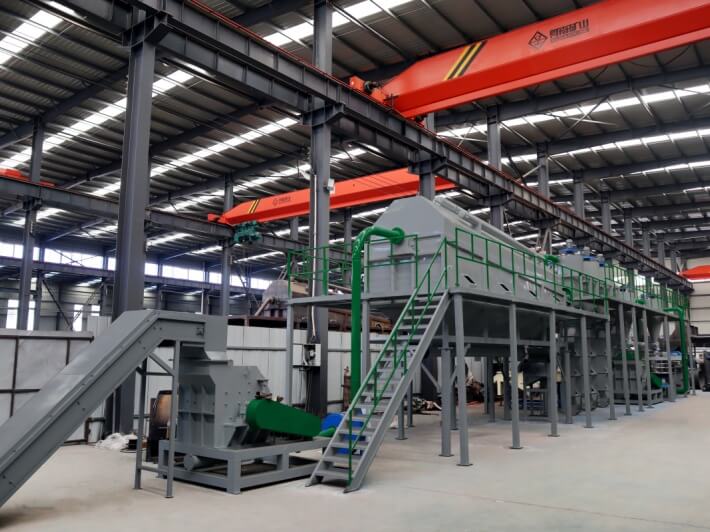
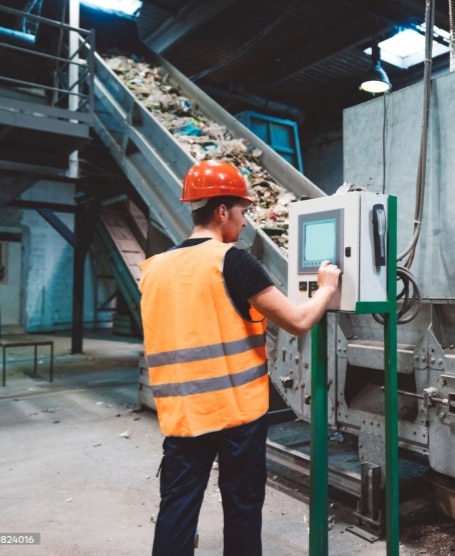
ECOCYCLE assists in evaluating crushing, screening, and sorting solutions based on battery type, feedstock condition, and target products, establishing a solid front-end foundation for the recovery of black mass and subsequent materials.